Get Past Your Limiting Blockers and Enjoy The Time that You Create!
The Big Leap describes "The Upper Limit Problem" and "Einstein Time" as concepts to help us get past some of our blockers on our way up to the next level of success in our careers, in business and in our personal lives.
TRANSCRIPT:
Hi it's Janice Dru-Bennett and today is Sunday, May 23, 2021. It has really been a beautiful weekend and we spent a few hours yesterday at a yard sale and today it's been over 90 degrees here in Rhode Island. We spent part of the day watching my son's soccer game and throwing some balls at the baseball field and, as I was thinking about what I would report on this week's video, I decided I wanted to share with you this book. The Big Leap by Dr. Gay Hendricks, which Belinda Rosenblum sent to me, and two of the concepts in The Big Leap that really stood out to me were the concept of the Upper Limit Problem and also thinking about Einstein Time. When we think about the Upper Limit Problem, this is where we often self sabotage ourselves or give ourselves a cap, so that when we're on the path towards success we stop ourselves from reaching that next level. To make that big leap, we have to recognize that many of us face this Upper Limit Problem, even when we're at the top of our game. Some of the ways that the big Upper Limit Problem addresses us might be: we think of ourselves as being flawed, like there's something wrong with me. Or we might not want to outshine someone else, or there's something in our past that's blocking us. And so, as you read through the Upper Limit Problem, think about what might be blocking you and how you can overcome those barriers. The other concept of Einstein Time is thinking about how sometimes time seems like it's moving very slowly because we're touching a burning stove where there's something that's painful that we're doing, versus time that flies by and it's because we're really enjoying ourselves and spending time with a loved one. Often we will say we don't have enough time or we're running out of time or there aren't enough hours in the day and part of what Dr. Gay Hendricks says is: we need to think of ourselves as being the source of time and time is coming out of us and flowing from us; we have control of our time and how do we prioritize that. And as we get distracted by so many things, focusing and taking that time for silence and really settling in and really assessing where are you spending your time, and how are you able to perceive time differently -- really help you get past both the upper limit problem, and this problem of complaining about time. So, as we are in this wonderful season and springing toward the summer, I would really encourage you to take this time to improve yourself and get to that next level. Read the big leap if you haven't already. Spend the time and really find it in yourself.
0 Comments
In this interview, Janice Dru-Bennett speaks with Brian Basilico about the books he's written, his podcast, social media and affiliate programs, coaches and mentors, and systems to scale your business. To run a successful company, It's essential to effectively use media, metrics, and messaging to grow. At the end of the day, it's all about your relationships or B.A.C.O.N. Marketing with BB: Building Authentic Connections Online Networking!
Writing a Book, Hosting a Podcast, Coaching, Social Media, Marketing & Systems to Scale Your Business, Partnerships & Affiliate Programs
Brian Basilico - https://brianbasilico.com and https://notaboutu.com Brian’s Books:
Brian’s Links:
Coach: Cathy Demers - https://businesssuccess.com/cafe Other Recommended Books:
Software/Hardware:
Transcript:
Hi it’s Janice Dru-Bennett and today is Sunday, May 16, 2021, and I am thrilled to have with me today Brian Basilico who I met through Lunchclub. Today we’ll be talking about his expertise and knowledge and writing books having a successful podcast, having social media and affiliate programs, as well as coaches that he’s worked with and coaching himself. Finally, we’ll end with talking about systems that he’s used to scale his business and before we start with the interview, I’m going to share some links which I always post to YouTube, and on the blog as well. Starting with Brian’s website, so this is his website where he talks about speaking coaching and how you can reach him. He’s also got this site, notaboutu.com, which shares some of his books and I’ll also include links directly to his books on It’s Not About You, It’s About Bacon. He also has a Workbook and Guide. The latest book Toilet Paper Math and his Podcast, as I mentioned, we met on Lunchclub and so I’ll have that link to Lunchclub and some of his social media to connect on Twitter, LinkedIn, Facebook. And then his Bacon System website, as well as his own company B2B Interactive Marketing. Finally, ending with this, How We Do It, which I think is always great to hear what his knowledge is around what systems and how he’s grown. So, Brian why don’t we start and I’m going to stop sharing the screen with you and talking a little bit about your history as an author and what brought you to where you are now. Brian Basilico: Well it’s a long history, obviously, but you know I started as an entrepreneur back in my teens and literally opened my first business at 17. And I’ve been running different businesses; I started this current one B2B which you showed back in 2000 after I left the corporate world. And in the process, there was so much technology change and there were so many kinds of misperceptions about what it was what it was doing why you should do it. The first book, I wrote was more about networking than it was about social media, because actually I started out writing a book about social media back in 2014 now that was about 10 years into when it happened. I was one of the first thousand people on LinkedIn back in 2004 and I’ve been using it for years. And kind of understood it, but you know it’s like most social media. It starts off in one direction that goes a completely different direction. You know, it’s like when Facebook first started, my kids were talking about it in college saying hey, this is cool, you know, get to know your kids and you know your buddies in College. And the next thing you know, they’re hitting you up saying make business pages and get 1,000 followers. Then the next thing you know, nobody sees what’s going on in Facebook, because they won’t show it to anybody unless you boost the post. They figured out how to monetize it. So the first book was really written kind of out of frustration; I wanted to teach people about social media, got three chapters in the book, and the book was completely obsolete. That kind of drove me nuts, but then I decided okay well I’m not going to stop here. I decided to write a book about networking and really it’s the difference between what is social media and what is social networking. They are two hand and glove kind of items, but they’re two completely separate as far as what they do. Social media gets you attention; social networking gets you to know people better and so both of those can work in concert, but a lot of people tend to focus more on the media side and less on the networking side. So that was journey of doing that then after I wrote that book going back to coaches when you’re talking about those. I hired a coach -- a book coach, you know somebody helped me promote the book, figure out what to do, and get it out there. That person said okay you’re getting on a plane and you’re going to Atlanta to a conference, so I went down to this conference and started learning about Internet marketing and affiliate marketing and email lists and you know building up tribes, and just everything you could possibly imagine. So I did that. I went back the second year, I was a speaker and actually got up on stage, and had to create programs and coaching sessions, and all that kind of stuff around the social media side of things, and then it kind of expanded from there, as I started teaching people I said, wait a minute, I’ve got a system. I’m going to write a book guess what, it’s going to be called the Bacon system right. And even at that second year’s conference, ended up seeing the speaker who was talking about podcasting. Now I knew about podcasting; I listened to podcasts, but I didn’t understand what’s the business case for why are you doing this, what’s the purpose, because you’re just listening to other people talk thinking okay this like a radio station, which it’s not. Back in 2015 I think was when I started the podcast, and now it’s been six years since I’ve been doing that, and so I had “It’s Not About You, It’s About Bacon,” and I’ll explain the bacon a little bit everybody always says. Because it’s not about meat, but it is about meet -- it’s M-E-E-T not M-E-A-T. So it’s that, then I had the Bacon System, and then I went into Toilet Paper Math which is my kind of taking the best practices from all of those books and putting it into a B2B focus. Because that’s really the niche in which I’ve grown my business. That’s kind of the big broad brush. In between the first book and this what I considered the second main book I did Bacon Bits. Now what did I do Bacon Bits for? When I started promoting my book, I created a website around the book and every single day for 365 days, I wrote a blog. It was only 50 words, it was just a simple networking tip. But I was able to hire a virtual assistant to go through that entire list and then pull out the top 101 of those and then categorize them into technology tips, networking tips, social media tips, that kind of stuff. And that was kind of my giveaway book it’s a little 6” x 6” sized book that basically something you could read in one sitting that has a bunch of tips. And when I was speaking or doing conferences, I would use that as a freemium to give away to everybody and turned it into a PDF and gave it away that way. Basically, I learned from that how to repurpose content and turn it into more and then from there, so I have the Bacon podcasts, I’ve got this Bacon System and doing the coaching. The Bacon Podcast ended up turning into something that I learned how to have it transcribed with Rev and then turn that into my blog every single week. So now what I’ve been doing for the past probably five years is doing a podcast on Monday, a blog on Tuesday, which is just the podcast transcribed, and then, an expert interview on Wednesday, Thursday doing email to say here’s all the stuff and then Friday doing social media, you know basically pulling all that together. So what I’ve done is I’ve created a system and that system is what I’ve been teaching people and what I’ve been using over the years to basically build the success of what I’ve been doing. So is that a good explanation for you? Janice Dru-Bennett: Yeah, and you talked a little bit about the difference between social media and social networking and how the first few chapters of your book became obsolete very quickly. So i’m curious if you can talk a little bit more about like what is current as it relates to social media and social networking. Are the concepts you’ve been teaching and the systems you’ve built evergreen systems? Do you see them changing over time, were they impacted by COVID/ I know there’s a bunch of questions. Brian Basilico: Oh yeah, and the thing about social media. Social media, like everything else has evolved. One of the things that I think that people get attached to is bright shiny object syndrome, and I’ve seen this for years. It’s like, you know, who talks about Snapchat anymore? Right, it’s all about TikTok and you know, everybody was on Facebook thinking that Facebook was the greatest business thing since buttered bread. But Facebook has turned into its own little micro network unto itself, it’s got certain pieces nuts and bolts within their, you know, you have groups now which you didn’t have when we first started out. You have business pages when we started doing them you’d have 1,000 visitors you post something maybe 20-30% of the people would see it, which is pretty average. I mean if you get a 25% open rate on an e-mail you’re doing pretty good, right? Now it’s evolving and changing in front of us, but there are some core principles that have never changed. And one of the things that I tell people is that back in 1979 when I started my first business, I was doing content marketing back then, and everybody says, well, how do you do content marketing in 1979 there’s no Internet there’s no email us like, how do you do this? And what I did was, I had a recording studio in my dad’s basement. I was writing stories on how to use microphones, what’s good technique, how to make a radio commercial better, how to mic an amp or whatever. But I knew who my audience was, and I was answering their questions, as they came in and asked them to me, and I figured, hey, if they’ve got questions, I could send this out to other people and promote, hey we know we’re doing, and we can help you do it better and that kind of stuff. So I typed all of that up on an Atari 400 computer, one of the first ones I ever had. A dot matrix printer, I printed it out and I cut the pieces of paper and put it on 11” by 17” sheet of paper, sent it to a printer and mailed it out. Right, so what I was doing is basically taking the questions my customers were asking typing it up and giving them the answers. Cutting it out and piecing it together and then sending it to them in a mail, you know, in a regular flat mail. The only difference between today and then is the methodologies, in which we deliver the content. So I think that’s one of the major things that I’ve evolved into, it’s not about the methodologies of using or optimizing you know LinkedIn or Facebook or Twitter, Instagram, all those things you know because again, there is no perfect storm when it comes to all of social media. Social media is a microcosm of whoever is on whatever platform. And one of the things that I say, I call them “bacon-isms,” is that you need to communicate with people the way they want to be communicated, to which means that if you’re in a local business, it’s much easier because you have a very targeted market. You can collect people’s names who purchase things, you can communicate with them with email, text all that kind of stuff. When it comes to B2B business, most people are going to be playing on business sandbox meaning LinkedIn but it doesn’t mean you can’t influence them on Instagram or TikTok. You may be able to get their attention on those things but you’re never going to get them to take action on Instagram, because there’s no links back to anything. Using social media for business to do what it is that you want your business to do is based 100% on who your audience is, where they’re playing, and what action can you get them to take -- whether it show up at your shop or whether it’s you know spend a million dollars on your business. The methodology is the same, but the way that you approach it is different. Makes sense? Janice Dru-Bennett: Yeah, absolutely, and I’m curious if you work with anyone to help you build your systems. I know you said you worked with a coach to help you with your book. I’m curious if you work with business coaches or podcast coaches, or what other types of coaches you’ve worked with. Brian Basilico: Yes, okay, so I did work with the original book coach, and she was a speaking coach as well. So she helped me with, you know, trying to get my speaking career going, which you know worked well. That was great until 2020. Actually had a bunch of speeches that were, you know, shut down. But yes, I’ve worked with a bundle of different coaches and each one of them had a different, they helped me solve a different problem. The current coach that I’m with now I’ve been with probably the longest for about four or five years and she is a business coach that really helped me the scaling, which is kind of the end of the, you know, it’s not the end of the story, but it’s the most recent part of the end of the story. So, in the in the process, I did meet a coach, who was a podcasting coach, as I said in that conference in Atlanta. I joined his mastermind group and basically he taught me all the kind of ins and outs of podcasting it’s like, how to do, he actually did the intro for my podcast, as a matter of fact, I called him up and redid it this year, and he redid it for me -- he’s just great. He taught me, you what are the platforms, how to get better listenership, how to how to format it, and do those kind of things, and really just kind of guided me down that line. Then the second coach I got was a sales coach who helped me overcome basically, a mindset challenge with money. I mean that’s always been my problem in business like, you know, money has always been to me one of those kind of things that was a roadblock because it always had a mental barrier to it’s like I can never make enough, I’m not good enough, not smart enough to the Stuart Smalley side of things and you know, so that was the next coach. And then I got another coach that worked on helping me systematize things and start to look at things from a coaching standpoint, like, how do you build things that you can guide people through creating programs that work. And so that was when I did the Bacon System that really helped me to facilitate creating courses and develop things in kind of a systematic way. Then I went through a rendition of Internet marketing coaches, affiliate coaches, just a whole bunch little nooks and cranny things. The last business coach really took it and said, okay, you know if you want to be successful, you have to pick a niche. That was always the hardest thing because, you know, being a coach is everybody’s client. If they’re breathing and they have a wallet, they’re a client. But this business coach, he really said, okay, you need to number one focus on B2B -- you need to figure out the problem. You need to help them scale, so that you can scale. And, since then, I went from being a one-man operation coaching you know 10 people at a time on how to do Internet marketing better for the business to now running what I consider to be a virtual agency where I’m kind of the strategist and I have 18 subcontractors that come in and fill in the gaps doing a lot of the basics. Everything from web design, customized writing. Somebody who writes web pages is different than somebody who writes email drips, is somebody different than writes blogs, and somebody different than writes e-books. So I’ve got all these different specialties that I can pull in, utilize, and then put back on the shelf depending on where we go. So that’s kind of been the evolution of everything. Janice Dru-Bennett: And have you worked with just one coach at a time? I’m curious if you remember your first coach, what made you decide to go with that coach and how you find your coaches as you’ve kind of progressed in your career in your business. Brian Basilico: The first coach I actually met locally. She was speaking at a Chamber of Commerce event, and I saw her speak, and then we kind of hit it off, we have a coffee and when I was writing my book, I realized how little I knew about what a book was and how it worked. I was writing a book, but how do you publish it, how do you find somebody, I had no idea about those things. And she had written a bunch of them, so that was an easy pick and choose because she knew exactly where I was at, and what I was doing. I don’t think I’ve ever had two different coaches at the same time, but I always gone from one to one to one, because I think if you hire two coaches, you might get two completely different opposing mindsets. I think that would be hard. Now, one thing I have had consistently as mentors. Yeah, mentors are different than coaches. Coaches actually help you systematize things and get down and dirty on what you’re doing. Where mentors kind of give you more philosophical ways of looking at things, so I’ve always had those. I’ve always had a mentor and a coach. Another one of these “bacon-isms” so called is: every doctor needs a doctor, every mentor needs a mentor, every coach needs a coach. I would say that coaches have by far been the best expense in my business ever, because that’s what’s really helped me incrementally get to where I need to be faster. You know, take it take it back to 2014, I knew nothing about virtual assistants. I knew nothing about Internet marketing; I really didn’t know a lot about email marketing. I knew how to set it up, but I really didn’t understand the concepts. I didn’t, you know, I was a video producer, for years, but Internet video is different than producing a marketing piece. I can do TV commercials, but I really didn’t understand you know the short attention span theater that we live in, so every single piece of that helped me to kind of incrementally get better -- from a place that I had no concept of. because I was doing you know I’d been in the audio video, CD Rom development, website development, I’ve always been a techie since I was a little kid, so I understood the geek side of things, but I ended up needing to understand the business side of things, you know. It’s one thing to provide a service, it’s another thing to be able to solve other people’s problems. We think by taking our talents and putting them out that that we’re actually solving a problem, which we are, but the hard part is finding the niche that actually wants to pay for that. That’s one of the biggest challenges, I think that we all face. Would you agree? Janice Dru-Bennett: Yeah, absolutely. And you talked about one coach telling you focus on one niche what is that niche right now the B2B marketing or are you-- Brian Basilico: Yes. Janice Dru-Bennett: And are you also still coaching people or not so much? Brian Basilico: I take them on very, I’m not doing the group coaching from the independent business side of things, but I am taking on, if I meet somebody who I think that is a good fit, and I can actually help them, then I will take them on, but I limit that because the vast majority of what I’m doing is the bigger business. And it’s not a money thing, it’s more of can I actually make a difference with this person? One of the other things too is, you know, in the position that I’m in, I’m not looking to add 100 businesses to my business. I handle 4 to 6 at a time, and that’s it. That’s all I want, because I can basically manage all of that and keep all of that straight. I’m sure I could hire other people to come in, and if I wanted to scale it beyond anything else, but then when it starts to lose that organic difference that it’s making, so there is a limit to what I’m trying to accomplish. So if I bring somebody on as an independent coaching client, they’ve got to be a good fit for everything that I think that they need. They have to understand, they have to be in a place where they can make money from what it is that we’re doing. I’ll give you a real clear example, so I worked with somebody. You know, I always get hit up by a lot of people who say, hey I want to you know I want to do a podcast I want to do you know I’ve got a book, I want you to help me promote it you’re really good at it. What I say to them is I can’t do it, because there’s no way in for a podcast it’s not going to make you there’s no ROI on it, there is from a business standpoint but it’s, unless you get a million followers and get somebody to pay for sponsoring your podcast you’re not gonna make a lot of money on it. You may get some clients out of it, it’s a great awareness thing, but it’s not like a cause and effect of revenue-generating thing. The same thing with a book, you know, with a book I usually say is, you have to make a three to one ratio in order for it to make sense. To spend marketing dollars, marketing should always be something that derives sales, and there should always be in associated ROI with it. That’s one of the things about B2B. That is huge -- it’s data. You’ve got to be able to figure out the data that makes sense and a lot of times people spend too much time on vanity metrics meaning, you know hey we got more hits, we’re getting more likes, we’re getting more views, and none of that stuff equates to we’re making more money. So, if you take a book, it’s like if you’re going to make $3 for every dollar that you spend, you know, the average author, maybe makes $1 a book. You know Amazon, you can make $5 a book so that means that if somebody comes in and spends $1,000 they have to sell 3,000 books in order to make that one to three ratio. For every thousand they spend, they’ve got to make 3,000. That’s hard, you know, I wrote my book, it cost me $5,000 to produce the first one. And I was making an average of $10 if I sold them live in person. That means I had to basically sell, you know, at $5 apiece I had to sell 1,000 books. You know, somewhere between 500 and 1000 books to break even -- that was hard, it was hard to do. I did it, but it took me a year, and so the key thing is that if somebody can make money off of what I do, I found somebody who was in the training space, who did training design, facilitation, instructional design, that kind of stuff who was struggling last year. Really, they were struggling because everybody shut down. But the key thing is that, if they would get their message out there to the right audiences and start to develop relationships with people who didn’t know about them, when things opened up, they could actually kick into high gear, which is exactly what happened. We’ve revamped her brand, we revamped her website, we taught her how to read analytics, how to create content; now she’s blogging, posting on LinkedIn, people are paying attention and calling her up and she’s making that money back, so you know that’s the key. Janice Dru-Bennett: Yeah, and as you’re talking a couple of “M” words are popping out to me. There’s “Money,” there’s “Mindset,” there’s “Motivation,” as you talk about making an impact, and then there’s “Marketing.” So as we kind of wrap up on talking about the systems you’ve built, can you just give us some insights on how you’ve broken through with your money mindset what really motivates you, and what are some of the key marketing systems that you’re using. Then, even show that little zoom remote that you have. Brian Basilico: I will show that, yeah. So the money mindset was actually was a great coach of mine, her name is Cathy Demers she’s a British Columbia, and she basically held up $1 bill and said what is this? And I said, well it’s $1 bill. She goes, no it’s not, it’s a certificate of appreciation. If you do a great job for people, they hand you these. And the more that you do for them, the more they hand you that. So don’t look at money as a way to pay off your mortgage, go on vacation, all these other things. Think of it as power, but also realize that it’s a certificate of how good you do for them. And so that money mindset was like, that totally changed the way I think about or thought about things. The motivation to do all this stuff is really based around the fact that one of the things that I discovered through coaching through mentoring and all those things is define what your superpowers are and work to your strengths and tire to weaknesses is huge. So the motivation was is what am I good at, and the two things I found out that I was good at was interviewing people and teaching. And so, those are kind of the key things that I can instruct and interview people so that’s what I built my entire business on, is I teach my clients what they’re doing, what they could be doing better, what does the data mean like, for example, how to read analytics, and understand the difference between having 5,000 visitors and having 300 people engage with your website for three minutes and what it means. And not paying attention to the vanity metrics but looking at the core and then tracking that back to sale, so that you can figure out how is this making me money. So the motivation was trying to utilize those and then filling in the gaps with people who could do things better than I could faster, cheaper, that I could focus more my attention on my superpowers, so that was the motivation behind it. The marketing systems were three, basically the Bacon System was built on the fact that what I learned in business that actually worked with social media was is that there are three core principles that you have to understand or for business to work. Number one, you have to have a killer website, you have to have a home base, where you control the message. And you got to drive people back to it one way, shape or form to collect their data to start conversations you know social media is great. But rarely do you get a lot of interaction on there, the goal is getting them back to the website. Then, the second piece is analytics. Can you measure the activities that you’re doing and do more of what’s working less and what’s not. So analytics, from a business standpoint, I don’t care whether it’s email analytics or Google analytics, helps you to quantify what it is that you’re doing so you can focus on things that are working. It’s not the vanity metrics is really you know down to dollars and cents and then, the third part is original content creation, which is a whole another show. You know, because that we can go through the whole mental mindset of what you do with that and the gymnastics. But the bottom line is, you need to create content that is customer focus that talks to you direct audience in an in an empathetic way. That gets them to want to click on it to read it more to get back to your website so you can measure it so you can have those conversations get their data. You know the things that you need to do so that marketing trifecta of killer website analytics and content marketing becomes the core of what we do, then from there, the periphery is the social media and the email marketing and the face-to-face marketing, speaking and podcasting, and all this other stuff. Those are the content or distribution channels, so if you create content core content write a book. Out of the book you take one of the chapters and you turn it into a blog and you turn it into a podcast and then you take that and you share that on social media. And you drive people back to the article or the podcast and from there you get them to sign up on your email list or you get them to take action and purchase the book, so they can do whatever they want, they can either buy the book, they can do nothing, they can hire us a coach, or you know come see you speak, or hire you as a speaker. It’s all based on depending on where they’re at and what they want getting them back to the website getting them to take action is kind of the core of everything so. Janice Dru-Bennett: I got some more “M’s” from that. Media, Metrics and Messaging, right? Brian Basilico: Exactly yes. This is gonna be like the red M&Ms and green M&Ms – There are so many M&Ms in this. Janice Dru-Bennett: We’re going to have to eat a bag of M&Ms. Brian Basilico: Yeah, it’s my rockstar only the green and red ones, please. Exactly, yeah, some bacon flavored ones would be wrong. Janice Dru-Bennett: What did you say “MEET” stands for. Brian Basilico: Again, okay, so Bacon. Actually I worked at AT&T for years. That was one of my first jobs as a video producer and shooter, an editor, and stuff like that, and everything there was an acronym and we never went to the bathroom you went to the little boy’s room or little girls room and you would you would say i’m going to the LBR. You know, because I worked at the NSC you know from AT&T, everything was an acronym so BACON is actually an acronym it stands for Building Authentic Connections Online Networking. And that’s what it stands for, so it is actually an acronym and that’s what the whole thing is about in meat is you know bacon is M-E-A-T, right, but networking is M-E-E-T. So that’s what it means and I’ve had one person, the history of the Bacon Podcast after 675 episodes come to me and say, I cannot be on your show, because I am a vegan I have nothing to do with meat. And I said, you do realize this is about M-E-E-T, not M-E-A-T, and there’s nothing to do with bacon there’s no meat, you know, this is just bacon as just a visual and a mind trick, and she goes, I still can’t associate myself with that. So that’s what the bacon and the meat’s about. Janice Dru-Bennett: And yes, and it does, you know, it’s memorable so when you think of acronyms and memorize. Brian Basilico: Well bacon is the other thing too is when I started writing the book. I actually was out networking and promoting the book and going to networking events and Chamber events, and all this other stuff. And I would constantly go to breakfast meetings and take a picture of bacon, and put it up on the Internet on Facebook and stuff like that, and I was eating oatmeal I was taking pictures of OTB which is “Other People’s Bacon” and my friends were coming back to me saying dude, you’re gonna have a heart attack, do you have a prepaid plan with your cardiologist? I go, you don’t get it, it’s not my bacon. But, at the time bacon and cat videos with the two most shared things on the Internet period amen. So every time I put that bacon up, I was getting huge amounts of engagement. Janice Dru-Bennett: Oh that’s interesting. Yeah, so let’s wrap up what if you can share that zoom remote. Brian Basilico: Sure sure. One of the things that I pride myself is on learning so we go back to what you were talking about. One of the things is Lunchclub was a great way for us to meet, because I get to meet people I never would know about and learn things I mean I learned so much from you about virtual meetings and in technology and things of that nature. And so you know paying attention to those kind of things, I listen to things like Blinkist to learn more about you know the brain communications marketing, I mean it’s beautiful thing about Blinkist is they’re complete audio books in 15 minutes or less, so I’ve gone through since January I think 184 books. In Blinkist, which is a huge amount of things and I’ve listened to books like you know the 4-Hour Workweek the E-myth Revisited, [also, The Go-Giver by Bob Burg] you know the books that you normally listen to or read that you know you just want to go back and say the concepts still make sense, right? So one of my friends posted this thing, which is a Aoom remote. So what it does, is it allows you to turn your camera on and off, so I can you know, there you go, you know, simple as that. Just hit that button and it will come back there goes oops, come back, come back, come on, it’s now of course it’s not working, the way it’s supposed to because we’re showing it live, but come on camera, they’re good. Okay, so the mute button too, so you can mute you can do screen sharing, and it really is so simple. It’s nothing but smart keys, I mean it’s just key combos in a bluetooth device that you probably could have on a cell phone but just having this physical device makes it so much easier to mute and do the things that you do all the time, and it was a whopping 50 bucks, so it’s cool. That’s all I’m gonna say yeah. Janice Dru-Bennett: It’s I think hardware and software. These days, technology and having your phone and doing all the fun things with your phone. And then the software, we can use. That was actually one last question I wanted to ask you, was what can you share a little bit more about what affiliate marketing system you use or what tool you recommend as a as a software marketer? Brian Basilico: Well, I mean there’s the biggest it depends on how you do it see my affiliate marketing is obviously, I’m using pretty links as much as I possibly can, and that is, you know URL shorteners, which have a beautiful way of allowing you to have one thing so, for example, if you want to set up zoom with me you got a Baconcoach.com / forward slash I’m not going to tell you so I don’t want to get a bunch of Zoom meetings. But if you want to book time with me, I have you know things set up with that Baconcoach.com/ forward slash whatever it is, so I can also do affiliate marketing. That way, too, is, I can, you know, if you want to buy Notaboutu or Bacon Bits or something I can do Baconcoach.com/forward slash Bacon Bits and that will take you to Amazon, which means I make affiliate money on it. So one of the things I’ve learned through this concept is, running a business, no matter what business you’re in, having multiple streams of income is very important, you know, because you can’t count on every one thing staying exactly the way it did. If 2020, tada, something that was it, is the fact that January was perfect. I was having the best year of my life. March hit, and then everything, the cliff fell off, and everybody said stop what you’re doing. And luckily, I had enough affiliate marketing things that could keep me going that at least covered the basis of what I needed so affiliate marketing comes in so many different ways, I mean. You know, affiliate marketing, there are tools that you could use with your websites to drive affiliate traffic, where you do something let’s say I do a webinar, and I do these all the time. Brian Basilico: I do a webinar on a concept, let’s say it’s reading Google Analytics, and so, then I have one of my friends, who is a huge list promote it. And what I do is he gets 50% of the sales and I get 50% of the sales that’s true affiliate you know that’s the, you know, the digital marketer online methodology of doing things where you’re sharing sales to get in front of somebody list. There’s other affiliate marketing things where their products that I use like blankets, like Acuity scheduling, like Planable, things that some people don’t know, that I’ve created affiliate links to that you know I signed up for so I try to keep that all compartmentalized in one website called Brian loves dot info forward slash (Brianloves.info/) whatever you know it so brianloves.info/planable, brianloves.info/acuity, you know, so what I what I have is a way to be able to you know, promote the things that I actually use and love. To basically create another stream of income, so affiliate marketing has got multiple pieces to it. There’s the, you know, use somebody else’s list side of things, there’s promote products and make a little bit of money that heck, you can even make money on your own books by promoting the Amazon link, as you know. Janice Dru-Bennett: Teah I love I love representing companies and software that I, you know, also appreciate using, myself, so I think affiliate marketing is great, and the 50/50 sharing is a partnership with a joint venture, exactly how to grow through partnerships. So I really appreciated this conversation and would love to explore further how we can partner and how we can work together in the future. Brian Basilico: Absolutely, no, I’m so looking forward to it and I, you know I really want to get to know you and the platform that you provide but also you know what how else we can utilize I think. I think the best partnership, and this is kind of the cornerstone, going back to the original book. Business, you know, bottom line is relationships of the currency of business. And it’s not that you are ever going to purchase from me or I’m ever going to purchase from you, you never know, that but it’s the people that we know that we can connect each other with. You know, can I get you on another show to be a guest, can you get me on another show to be a guest it’s meeting. People within our golden rolodex helps us to really expand our businesses so that I think is probably one of the biggest methods and messages I wanted to get across. More “M” words. You know that your biggest asset that you have in life is relationships with the people that you know, so use those and that’s essentially what you know I try to teach. Businesses, B2B businesses, that’s how the businesses I’ve worked with last year, able to stay alive and make money, is utilizing current relationships over trying to prospect. Janice Dru-Bennett: Absolutely, I think, building relationships that’s the key takeaway, how do you really use BACON to meet people. Brian Basilico: Exactly, yes, all you gotta do is take a picture and put it on Facebook you’ll meet a ton of people a guarantee. Janice Dru-Bennett: Yeah. Well, thank you so much, Brian. I hope you enjoy the rest of your weekend and we’ll stay in touch. Brian Basilico: Thank you so much, I love the opportunity this was a lot of fun thanks.
May 2, 2021 ~ Being a Mentor, Growing a Career, and Advancing Entrepreneurship
Links mentioned:
Jeanessica Sorto’s Social Media:
Transcript: Hi, it’s Janice Dru-Bennett and today is Sunday May 2, 2021. I’m really excited today to have Jeanessica Sorto with me. We met through the Women's Entrepreneurship Mentors program of Hudson County. Janice Dru-Bennett: What we would like to talk to you a little bit today is the growth of your own business, as well as the growth of your own career, since both Jeanessica and I have had a career, as well as started our own businesses. And then we'll also talk a little bit about mentorship. So Jeanessica, why don’t you introduce yourself to start? Jeanessica Sorto: Hi everyone, my name is Jeanessica Sorto. I am a financial controller for a tea supplier I’ve been with them for 13 years. I also have my real estate license and I just started a business called Steep Roots Tea company, where we combine our love for tea and mindfulness. Janice Dru-Bennett: Great! So Jeanessica, you mentioned that you had a few mentors throughout your career and right now and I'd love to hear a little bit more about the mentorships that you created for yourself, how you found your mentors, and a little bit more about what interests you have. Jeanessica Sorto: Absolutely. Every relationship that I encounter I feel there’s an opportunity to learn, so a mentor it can be someone who doesn't even know they’re mentoring you. But, to be specific, I registered for women's entrepreneur networking event some time ago, and I recall missing the event, for some reason. But later, I received an email asking if I wanted to become a mentee or mentor so I immediately replied, and I signed up to be a mentee. I wanted to connect with other women to share experiences and goals without judgment, so I met you on that call. And we talked about our professional careers, we learned that we had similar experiences when it comes to going from peer to manager, and so I wanted to learn more about how you transitioned into your role. I needed advice, and so I feel like I’ve talked to you and have learned more in that area. And we also talked about advancing in our careers and how constant learning plays a large role you shared some very helpful platforms which I was unfamiliar with one of them is Clubhouse you also mentioned Elpha and Right Pitch, which I have not looked into yet. I also connected with Kelly Soto on that call, and she has been very insightful when it comes to the business. She has questioned me on my financial plan and future goals. She also was generous enough to invite and introduce me to her networks, where I was able to connect with other women. It is through her that I have been able to promote my business practice speaking and sharing the mission of my company and also she's connected me with charitable organizations. Janice Dru-Bennett: That’s great. And so, as you you've kind of grown in your career become a manager can you share some of the career tips that you learned, as your role has progressed? Jeanessica Sorto: Yes, in my professional career, I would advise anyone wants to grow within their role to work on building their skill set daily, to learn things that make them the best at what they do or see themselves doing to connect with people in the role in which they wish to be in and to learn from them. I'd also say to practice mindfulness and focus their attention on time and things that will get them closer to achieving where they want to be. Janice Dru-Bennett: That’s great and, similarly, I think, as you've started your own business, can you share some of the challenges and resources that you've found helpful during starting your business and as part of your job as well? Jeanessica Sorto: Yes, so when starting a business, I’m sure you know there’s many challenges, but ones that will haunt you forever or negative self-talk, self-doubt and high expectations. So I feel, where we are our own worst enemy and we need to train ourselves to be more aware of what goes on in our minds. We can talk ourselves out of anything if we allow ourselves to so when starting your own business, you also need to check your expectations at the door, because the people you think will support you are not always the most supportive. Janice Dru-Bennett: Can you can you dive into that a little bit more, when you say that people who you think are most supportive aren't? Jeanessica Sorto: Yeah, we expect a lot from our friends and family, and so we expect them to be the first ones to support our businesses and it’s not always that way, we have to lean into outside networks to believe in our mission first and then everyone else will follow. Janice Dru-Bennett: Yeah, and you talked a little bit about you know, eliminating the negative self-talk and kind of meditation as ways to help you kind of ground yourself. Janice Dru-Bennett: Are there some resources that you found helpful and kind of diving into additional ways that people can actually overcome that negative self-talk? Jeanessica Sorto: So, I have the Calm App where I practice a guided meditation daily, and they have multiple topics from self-doubt to building confidence to practicing self-compassion and those are all things that have helped me to feel better about goals that I’m looking to accomplish. I don’t talk myself out of things so easily, and I’m not so hard on myself anymore. Janice Dru-Bennett: And there’s also an app that I’ve used called Marigold that is a Confidence App, and I actually have a discount code that I can share if anyone is interested in a confidence-based app too. Jeanessica Sorto: Oh, that would love to look into that. Janice Dru-Bennett: Are there any other insights that you'd like to share that you think would be a value? Jeanessica Sorto: Yeah, so I really enjoy using Clubhouse. I haven't started my own room yet as we discussed, but I am working my way there. Slow progress is better than no progress. I’ve listened to many topics from starting a business to angel investing and practicing my sales pitch one of the reasons I love clubhouse so much is that I can speak and make faces. It’s I myself and I, no one can see me. I also subscribe to Lunchclub, which is another website where you can connect with people once a week or twice a week as many times as you like to talk about topics, you may have in common with someone else I’ve also listened to TED talks and I’m subscribed to LinkedIn Learning, Coursera and Udemy. Janice Dru-Bennett: Yes, I, like all those resources as well, and I think EdX is another kind of MOOC (Massive Open Online Course) program I’ve done as well. So, I think you had a few questions for me as well about mentorship, right? Jeanessica Sorto: Yes, I did want to say one more thing about being a mentee and starting your businesses is: Don’t be afraid to be vulnerable, you know. No one ever gets to the top by themselves, so we have to be able to speak up and ask for help. It’s how we learn it’s how we overcome fear and it’s how we grow and then now move into your questions. Janice Dru-Bennett: Sure, yeah and I think vulnerability is always tough when you’re kind of working on on building yourself up and a career and a business and at the same time that that is a core part of being able to build relationships and really be open to change. Jeanessica Sorto: Yeah, so have you been a mentee? Janice Dru-Bennett: And I absolutely feel that being a mentor is part of you know, it goes two ways. So often as a mentor I feel like I’m a mentee as well in that I’m learning from whomever I’m mentoring. And I actually did start out with several mentors in my career where early on in my career in the financial services industry. Starting out, you’re paired with a mentor which was very helpful. So I think companies that do encourage pairing of mentors and mentees can really be beneficial for especially people early in their careers. I’ve also been matched with mentors through different programs like in Rhode island there’s the Tech Collective and there was a women’s entrepreneurship or women's tech mentoring program and I was matched with Kathleen Malin, who is Rhode Island Foundation’s VP of Technology and I was working you know, in a technical space and really was highly valuable to have someone to talk to, and now, now that I’m still in technology. There’s also an organization called T200 hat just kicked off and I’m really excited. To help kind of guide women who are on track to the C-level that are matched with mentors who are already in the C-level or you know one step below and kind of just finding the one person above or toward where you want to go to find that that mentor. One other site that I think is very helpful provide for finding mentors has been Ivy Exec and they have a whole set of profiles of mentioned mentors, and I can put post links. Whenever I post a YouTube video, I’ll include links as well to share. With Ivy Exec, I’ve been matched with the CMO, and I also have a longtime friend I met through Ivy Exec. So you know, I think there are definitely platforms out there, where you can find a mentor. And I was just talking to another woman about mentorship and there’s also sponsorship, which is someone at your company, who would advocate for you. Or someone who is at another company, who would advocate for you to go there or kind of really move up in your career or kind of gain a promotion or be, you know, recommended for a role that you might not have done before. So finding a sponsor as well, can often be you know helpful as we move forward. And the woman I was talking to who seemed to be very accomplished, and she said she had never had a sponsor. So, as we think about being a mentor or being a mentee I think some of that is also finding a sponsor – or being a sponsor for someone. Jeanessica Sorto: So, do you feel that it’s best to be matched with someone or do you think it’s better to pick your own based on how the WE networks or the women entrepreneurs network platform is where you’re able to meet everyone individually and choose who you want to mentor you? Janice Dru-Bennett: I think it’s good to have a combination like Lunchclub, that does the AI matchmaking, so I don’t necessarily pick who they match with me but I’ve met some really wonderful people, and you know, I think that some of them may lead to mentor or mentee relationships. Part of it is being active as a mentee to articulate what you’re looking for, because I think if you’re as a mentee if I go to a mentor and I don’t know what I’m looking for it’s a lot more difficult to have that relationship. And as a mentor I want to help guide the mentee where they want to go based on you know my experience and it’s really important from a mentor perspective for the mentee to come to me with their agenda and that reminds me of one other platform that I’ve been a mentor on I can’t remember the name of it but I’ll post the link as well, where they had a whole mentoring training and it was matchmaking through corporations that were paying for mentors outside of their corporation, and I ended up with several mentees through that platform. And I could probably look it up real quick while we're talking. Why don’t you talk a little bit more about you know whether you would consider being a mentor and I’ll look up the site? Jeanessica Sorto: I would consider it, I’m just curious to know. How do you know when you’re ready to be a mentor because I feel like I am self-motivated and I know what I want to do. And that plays into the mentor role right where you can have the resources or you've done the legwork and you can share those with someone else. And also inspiring others and motivating them to empowering them to make those changes that will lead them closer to where they want to be. So how do you know you’re ready? Janice Dru-Bennett: Well, you know Jeanessica, when I talk to you, I think you’re ready… When I think one of your questions for me was: when did I become a mentor, how did I know I was ready to be a mentor? And the first thing I thought of is when I was 12 years old, and there were a group of kids around me that were younger than me and I lead them in an engaging conversation and while the parents were talking, I led a little conversation with the younger kids. I had started babysitting at a very early age, and I feel like there’s a bit of mentorship there as well, guiding someone along who's not as far along as you or even someone who might be ahead of you, in some ways, but be able to learn from you in other ways. So I think, as long as you have the confidence to share your knowledge, which I think is something that I’ve worked on my confidence with mentors and through the confidence app like I mentioned and Toastmasters and practicing speaking, all of these things have helped build my confidence over the years, and I think anyone is ready to be a mentor you know by just being available to listen to someone and share thoughts and advice and creating that environment. And I just looked this up, the website where the program that matches mentors with mentees. It’s called Everwise and you can apply to be an Everwise mentor and based on your experience they'll match you with people who are normally their companies are paying for them to have outside mentors. Jeanessica Sorto: Okay. Janice Dru-Bennett: That’s a good way for you to try out; I’ll definitely send all of these links that we've talked about... Jeanessica Sorto: So, what would you say, are the challenges and benefits of being a mentor? Janice Dru-Bennett: I think part of the challenge of being a mentor is finding the time and often one piece of advice I had gotten when I was looking for mentors is asking your mentor: How often do you have to meet you want to meet? Where are you able to meet? Weekly or every other week or once a month? For half an hour? For an hour for two hours? Really finding out from the person you’re asking to mentor you, what their availability is. I think my limit at any given time may just be one or two people I can mentor. And then I think another challenge is maintaining that relationship, because I know you and I too, often will say were busy at work, we can’t meet. And so, maintaining that commitment, as both a mentor and the mentee and following through and kind of keeping it up -- that’s why I think Everwise has a really strong program where they do six-month structures. I remember when I did my mentorship through Tech Collective I had asked Kathleen you know how long do you mentor people, and I think it was three months or six months, and then sometimes you maintain that relationship for the rest of your life and other times you part your ways and you don’t talk again. I think having a mentor is at any given time, there might be a different reason you could need a mentor or different reasons as a mentor. I’m mentoring, because I like to help others and at different times, I may have less time to give back mentorship. And I know some people will charge for mentoring as well, which I think is more like coaching in some ways, when there are certified coaches that can really help guide you towards a specific direction. Jeanessica Sorto: So is there a big difference and I’m sorry for so many questions, but what would you say is the big differentiator between a life coach and a mentor other than the pay? Janice Dru-Bennett: Yeah, I mean… there are paid mentors as well, and I think sometimes it’s the level of experience, not necessarily experience. Like the life coach often has certifications and they have a structured way of coaching. Just like, my kids started playing baseball and soccer but the kids’ coaches are a parent volunteers. Now, if they were to continue to progress, they’re going to potentially look for stronger coaches or private teams. I used to run, and I would work with a running coach through a running club. Or there are paid coaches for running, so I think it all depends on the level of skill that you’re looking for -- like a mentor somebody who I think has a lot of experience and is willing to share that experience or even just like I said a little experience, whereas a coach or a paid mentor often has additional value that they’re bringing to the table that might be kind of more tangible that’s a different level. Jeanessica Sorto: Of commitment too, I think. Janice Dru-Bennett: Yeah, absolutely yeah. I think if you’re paying a mentor, you might be less likely to cancel the meeting. Jeanessica Sorto: Although have you ever had to stop mentoring someone because their commitment wasn't there? Janice Dru-Bennett: I’ve never told someone let's stop this mentoring relationship, I think it naturally just stops like if there’s one or two, and then we agree they don’t have the time or the commitment, or if there isn't a good fit with the kind of personality. Very rarely. I’ve also mentored young, there’s a Mentor Rhode Island program where I was a mentor for a second grader and I really love doing that, until I had to start commuting farther than I could mentor the younger child. But I think mentoring children is something I really enjoy as well… And it’s really hard. Like Big Brothers Big Sisters is also a way to find younger kids to mentor. Jeanessica Sorto: My son was enrolled in the Big Brother program so I’m familiar with it. Janice Dru-Bennett: Was it valuable for him? Jeanessica Sorto: It was, yeah he learned a lot. Janice Dru-Bennett: And yeah, I would love to see… Jeanessica Sorto: And they maintained that relationship for quite some time. Janice Dru-Bennett: Yeah, I think every kid could use a mentor and every person and being a mentor is is really rewarding as well and that’s well better than the challenges and then it overcomes the challenges when you’re a mentor and you see the relationship building and you see the successes and the way a mentee lights up when they see you as a child and just the resources you’re sharing when people appreciate or say that the mentorship was valuable -- that to me is payment enough. So that’s the other thing: I’ve seen very accomplished mentors who just do it because they feel that that they enjoy the relationship and they enjoy seeing someone grow and there’s different levels. Like your time is value so being able to make the decisions about who you mentor or if you know with your skillset you could, there’s a lot of programs out there, too, and I’ve taken multiple courses online that I paid for, and I feel like sometimes the people who are teaching those courses are like mentors as well, and I’m learning a set of information, and I really would recommend the courses that I’ve taken to others too, and that’s how I had set up my business too, because when I recommend products, services and solutions, I end up earning a percentage of referrals although there’s also some things I refer, where I don’t get paid anything so it’s, you know, there’s I like making connections and sometimes I get paid when I make a connection and sometimes I don’t and I just like to make connections. Jeanessica Sorto: Yeah, it’s a good feeling when you can connect people and each of them is providing something to the other. It’s like paying it forward. Janice Dru-Bennett: Absolutely. Yeah, and I think in terms of advice I give to others who are thinking of becoming a mentor is just jump into it, and even having a mentor to help you with your mentorship if you feel like it’s your first time being a mentor. And that I have a mentee who who's going through this and if I can’t you know where I have a challenge with it, then you can talk to other mentors about, you know, being a mentor. Jeanessica Sorto: That’s a good point. Janice Dru-Bennett: And I do think the structured programs are very helpful because if you've never been a mentor before like with Everwise, they have a whole set of materials that they share in terms of what does the first meeting look like to set the expectations, how do you how do you check in, and then wrapping it up, so that it becomes a very structured way of setting up a mentorship that could help. And clearly, you can do a mentorship in multiple ways, but having a program that helps guide you through, it can also be beneficial. Jeanessica Sorto: All good tips. As always, you’re very resourceful. Janice Dru-Bennett: Yes, and I think you you've got great resources as well, so let's definitely stay in touch and I’ll put your social media links as well, when I post this so that everyone can follow you and the links that I mentioned we can include in the YouTube video as well. Jeanessica Sorto: Thank you. Janice Dru-Bennett: Thank you so much.
Interview with Julie Arnheim, sharing advice and insights on gratitude, resilience, brain cancer, social security disability, leadership and more.
TRANSCRIPT: Hi, it’s Janice Dru-Bennett and today is Sunday, April 25th, 2021. I’m really excited today to have Julie Arnheim join me. Julie, do you want to say “hi”? Hi. Hi. I actually met Julie yesterday through a Lunchclub Instant Connect. For those of you who aren’t familiar with Lunchclub, I’m going to share about Lunchclub first. Julie will share about her background, and then we’ll wrap up with some ideas and advice and thoughts from Julie. The Lunchclub platform that I’m sharing right now is, here's my invite code [https://lunchclub.com/?invite_code=janice1]. Once you go in you will see people that you can connect with through Lunchclub. These are activities of the people that I’m connected with on Lunchclub and who they're meeting with you can schedule matches based on your schedule to meet with people one-on-one or like Julie and I had met yesterday on Instant Connect. There are now 15-minute segments, and you can jump in and meet people for 15 minutes, versus having these 45-minute, matched meetings that happen. I’ve been meeting for 19 weeks in a row. This is Julie's profile [https://lunchclub.com/member/04af742c0048]. I don’t know how we got matched, but, some similarities, I’m originally from Pittsburgh, Pennsylvania, Julia and I are both interested in diversity and inclusion and entrepreneurship e-commerce wellness. There’s a number of interests that were matched on. I can read about how Julie has written a book and is also working on a mindfulness and learning about her brain cancer. I definitely want to talk with Julie a little bit more about that, and this is Julie's LinkedIn profile as well [https://www.linkedin.com/in/jarnheim] that’s connected with Lunchclub, so we can talk about her story and her background and where she is now. I’m going to stop sharing and let's jump right into our conversation. Julie, why don’t we start by you telling me more about your story and where you’re from and where you are now. Sure. Thank you, Janice. Again, it was such a pleasure meeting you. The beauty of Lunchclub is getting to know people even briefly, who you never would have met. Otherwise, even though we have Pittsburgh as this minor thread, not that Pittsburgh's minor, but this small thread that would potentially connect us. You haven’t been here for most of your life. When you were here, I was in New York, likely we didn’t get quite into years that you were here. I love Lunchclub because of the randomness and yet joy that it brings to my life. Yeah, I was in Pittsburgh from 1982 until probably 1991ish. I was also in New York, from working in New York, in New Jersey from 2005, 2006, until 2014 before moving to Rhode Island or 2015, and then in 2016, moved to Rhode Island. Okay, we overlapped in both spots, but not enough to bring us together in person. Yes. So I agree. Lunchclub is a great place to meet people. You would normally never have met before. So about me. I always, which part of me should I share? So just to not freak out, anybody who doesn’t catch on quickly, this is not a headband. I am actually not sitting in a lovely park. You can tell by my arm fading that it is a zoom background because I’m physically in a hospital right now in an epilepsy monitoring unit, to be able to figure out what electrically is going on in my brain, since my brain surgery last February for six years prior to my surgery, I had been complaining that there were executive functioning problems that I was having. I couldn’t focus on business. I couldn’t read a book. I couldn’t remember to call people or do things on my to-do list, let alone on my calendar. I’m not an out of sight out of mind type of person. It was very distressing to me and the doctors couldn’t figure out what it was until one day last February, I woke up and I said, Oh, I don’t feel so good. My vision was black on the side. It was gray right in front of me. And my body was kind of jittery. I say when your teeth chatter and you can’t stop it from moving, but it’s happening. My arms and legs were shaking, but I could walk and talk. I was aware of where I was and that something was wrong, but it wasn’t 9-1-1 wrong. And then it stopped in under two minutes. So I got in the shower and started to get ready for the rest of my day, because it was a very important day for me. I was to be the invocation speaker for the Pittsburgh Rotary Business Ethics Awards Luncheon. It was 2- to 300 top business leaders in the city. And I was the invocation speaker. I needed to show up for it. It was not just an invocation to me. It was an honor because my father and my uncle were involved with rotary and when I moved home from New York, my uncle brought me into rotary. In 2019 at this Ethics Awards Luncheon, I was asked to be the invocation speaker and I did such a great job, they asked me back. I had to show up, my name was in the program and it had been announced a year ago. So I call my doctors and said, what I just shared with you about shaking and not feeling right. And they said, go to the emergency room. So against medical advice, I still went and did my speech. On the way home from the emergency room, I stopped on the way home from the speech. I stopped at the emergency room. That’s when I found out I had a brain tumor. Eight days later, I had brain surgery to remove the tumor. Three weeks later, the world shut down to a pandemic. I feel like the luckiest lady, because I had my friends and family around me in the hospital, had the emergency room, not taking the initiative to make sure that they helped set up all of the consults that they moved me, transferred me to a sister hospital where the best neurosurgeon was. He was able to see me that next day, who knows I could have had surgery the end of March and not have my family around. So I’m very grateful. Gratitude actually is one of the things I didn’t quite talk to you about yesterday, but it’s one of my secret special things. I love. I love that. I think you have exuded your optimism, even through the times of stress and looking at the positive and being able to be with family, which I completely understand. We had family who actually passed away from COVID after the pandemic. So definitely understand that this has been a really stressful time and being able to be grateful can help us stay grounded, I think. Yes, absolutely. Staying grounded, whether you’re going through something as traumatic as brain cancer, or even unsure job loss or, am I going to have to go back into an office? I’ve kind of enjoyed this home thing. There are all types of ways we need to find how to be grounded and how to be grateful. Years ago, I took a workshop called Awakening Joy by James Baraz and he actually has this on, and he has a book called Awakening Joy [https://amzn.to/3gDZHK4], and he does a several weeks, several months program online called Awakening Joy kicks off every February. I’ll put it up on my Linktree [https://linktr.ee/arnheim] so that people who see this can also connect to it. Great. Thank you. So that started a lot more of my gratitude work. What I didn’t share with you is that I have a Facebook group. I’m not, I don’t run it very much called Develop Gratitude. If you searched faith in Facebook for Develop Gratitude [https://www.facebook.com/groups/developgratitude], you would find it’s mine because it’s a black and white picture of the Louvre in Paris. I also created a Business Page for Develop Gratitude. It’s on my 2021 list of how to build up some of my writing and leading and coaching work. It’s hard for me to give a lot externally when I’m trying to work a lot internally, yet as an extrovert, it’s really important for me to give externally. So I just found your Facebook page. I’ll share it real quick so people can see what it looks like. This is the Develop Gratitude, private group, safe space for gratitude work. I love that doing it. It’s not, I think we've got 200 people in there, but it’s not a very active group, partly because it’s hard for me to lead consistently right now, but I’m working on it. Having people jumping in and being active makes everybody feel a little more active and lets people see that other people struggle with gratitude at times and in a world that’s full of the stress that we've been living under. It’s understandable whether it was just this pandemic stress, but it’s definitely a time now that we need to work on more gratitude work. Did you start. This group before or after your brain cancer? Several years before there was an action. You were diagnosed, but you had the brain cancer that you just weren't aware of it, right? Correct. It was a spinoff a little bit. There was somebody who had done a 30-day gratitude project and I liked what she was doing and I had also been doing some gratitude work on my own at that point. So I, with her permission kind of set that up because I was inviting a couple of people that were at the online webinar that she was doing. If they wanted to jump in and continue with me versus stepping up the way she was, I was very respectful of where she was as a coach. But I also knew that I wanted to try to bring in some of my circle and my network to let them share what I had gleaned from her. And she is in my group. I was, I’m a hundred percent transparent in something like that. And proud of it. It’s my ethics, which is why I was asked to be the invocation speaker at an ethics awards. Tell me more about that. I want to hear more about your background in ethics and leadership and transformation and leading into the gratitude and the health work. Sure… It’s so meandering and sometimes I’m not sure where to jump on the court to enter the story into. Oh gosh, phone charger… technology. Okay, that should work, sorry! At least we haven’t lost sound and complete video. And had “you’re muted!” My leadership degree. So In 2006, after making a big jump from working in the spa and hospitality world at a hotel to working in the restaurant world as a coordinator for a new Italian wine restaurant, opening up in Manhattan and losing my job the week, two weeks after the restaurant opened, because they just weren't doing as well as they thought. If I kept my job another two days, they would have had to pay benefits. I thought, okay, what am I going to do at this point in my life. Grad school sounds like a really good idea! That was right when the market's crashed too. Right. So everything was… It was 2006. So it was heading up to it. Yeah, I graduated undergrad in 93 and I graduated grad school in 2009. I have a way of graduating college into recessions. Perhaps that’s part of my gratitude work is learning that you got to look for what’s good and what’s going on at the moment. Really good. One, glad this is recorded. Thank you, Janice. That’s one of the things where I think we have so many conversations and there's so much knowledge we have to share and being able to record and capture this information that we can share more broadly is this part of my mission with, ledge and helping the world become a better place. I think it’s great. I’m so glad that our lives intertwined and that it doesn’t stop here. I know it in my soul that there's going to be so much more in how our lives intertwine, what that is. I don’t know, but I know that it will be absolutely. I went home for my cousin's wedding and I was looking at grad programs and I noticed my Alma mater had a leadership and organizational transfer transformation with a focus on wellness program. I thought, well, I’ve seen a lot of companies do some really neat things when they were going through transitions. I’ve seen some companies not do some, not so well executed things from a lower point of view, but I wanted to understand the macro level view versus the micro level view. I thought that degree would be fantastic. It really seemed to resonate with everything that was about me. How do we make the spaces around us, the teams around us, the family systems around us, whatever system around us be stronger. How do we leave the world a better place? Legacy is really important to me, especially since I do not have children. The only way that I feel I can leave part of my Mark is by sharing it with others to create legacy. That leads to part of my ethics. You can’t leave legacy in a positive way with negative ethics. The interesting wellness has to do with not just my present battle with brain cancer. As a child, I struggled with mental illness and that’s been something that I’ve battled for 38 years of my 50. I’m passionate about all types of ways that we can help each other. That’s one of the reasons gratitude work is so important because gratitude work can be something that helps us when we’re in our darkest moments. If we can just gleam onto one thing to say, I am grateful for my new friend, Janice. I am grateful for getting a good night's sleep last night. I’m grateful I have a doctor that can prescribe glasses so that I can see more. I’m grateful for the fact that the iPhone had that very smart thing saying battery 20% was reachable to me to plug it in. You can find gratitude and very simple little things. Another thing with gratitude that I love talking about, if you’ve never done this before, grab some kind of jar. Oh wow. You can’t see the jar. Okay. We’ll use this as an example. Nope. Can’t see that one either. I’ve got, I’ve got a coffee mug here. Awesome. Take a piece of paper and right. I am grateful for and fill that coffee mug every day with something that you’re grateful for, or several things, almost like little fortune cookie sized pieces of paper at the end of the week, sit down and read through all of your gratitudes of the week. It’s a great thing to do with a partner or a family as well. I love that. Definitely creating a family jar of gratitude and going over. It would be a definitely be a different activity that than we’re used to stuck in front of our screens versus reading from little papers. I just wanted to mention, I’ve been reading a book called Untamed by Glennon Doyle [https://amzn.to/2QTx4xO]. Have you read that one yet? I haven’t. She talks about writing to herself when she has her happy self versus her sad self … and going back and reading to remind herself of the different places you’re in, when you’re kind of going through ups and downs or whatever, challenges you’re facing and being able to talk to yourself at different points. I think the gratitude can also help you in times of sadness to remind yourself of everything that you are grateful for. Absolutely. That’s so interesting because just what you said, one of the things I brought to do at the hospital, I picked up a couple of my old little journals and brought them to read into text in Google Docs. You can actually do talk to text under tools so you can sit and just talk your story, talk your book, talk your thoughts, whatever you don’t have to do the old fashioned handwriting, but I’ve got a lot of journals. I thought, why not bring them and sit and talk them into something and get them off my shelves. In August of 2009, I wrote after attending the Warhol Museum here in Pittsburgh, on the wall, in the Warhol Museum, it says he challenged traditional boundaries between art and life art and business and different media in the process. He turned everyday life into art and art into a way to live the everyday, collecting, commenting, reproducing, experimenting, collaborating with people, places, and things around him. What I wrote underneath it is: how could we turn health into the way he looked at art? And I read this last night and I have this morning with you. Interesting. It’s sometimes you write something that we don’t remember it, and it comes back at the right moment for us to process it differently. Yes, I am so amazed. How can we turn health into the way he looked at art? So he challenged traditional boundaries between art and life. We’re talking about health and life art and business or health and business in the process. He turned everyday life into art and art into the way to live every day. What I’m challenging is can we turn everyday life into health and health into a way to live every day. That we’re talking about leadership and transformation into health and what that means? So it’s really that lens. Yeah. Wow. Because health is not just what a health coach says. It’s not just what a doctor says. Sometimes health is intuitive. When we listen inside ourselves, our bodies are brilliant machines and they tell us what they need. Sometimes when you have a craving, I know this one sounds kind of random and sometimes I’ll crave watercress and it wasn’t until I learned the nutritional value of watercress. Did that become a brilliant thing that I was listening to my body going? It’s not just that. I like that kind of funny mustardy bittery thing that my grandmother used to always put in her salads. My body is saying is likely saying, Hey, some of those minerals that are in watercress, I need right now. So I challenge people who are watching. If you are craving something, go look up. What is in the ingredients or what are the natural vitamins and minerals and what you are craving. If you’re craving a soda, do it as well. Look at what is in there and question, why is this what you’re craving? Because the only way to strengthen have good habits or break bad habits is becoming aware of what’s driving them. Yeah, absolutely. Like if you were, if you can figure out what’s motivating you to do something or not do something, then, being able to adjust those motivators can change your behavior. Yeah. Even with what they found out today, for me in this or this week during this hospital stay, is that I don’t have epilepsy. They do feel that I have is something called functional neurological disorder, which is a cluster of different things. I said to the neurologist, so how do we deal with this? And she said, well, through CBT, which is cognitive behavioral therapy. Guys, I kind of already been doing that for a long time. I’ve, and I not only have I done cognitive behavioral therapy, but I have also studied it in graduate school. I’m not a cognitive behavioral therapist, but intellectually I know what it is. I’ve also done mindfulness-based stress reduction, which leads me to another funny story on for those who do know it you'll laugh. When I sa, I know how to eat a raisin. If you don’t know about mindfulness, Google, how to eat a raisin, there's actually a way to learn mindfulness techniques around eating a raisin around the feeling, the textures, the taste, how it softens in your mouth. I did a meditation with a dried apricot, wondering if that’s similar… Absolutely. They just took the raisin and make it a little bigger, a little more tasteful. I was struggling, so the surgery was February of 2020, about July. I was still struggling with a lot of sensory overstimulation issues, which I had before the surgery, but they were amplified. One of my sorority sisters is a spinal care physician. And she deals with spinal cord injury people and deals very closely with a traumatic brain injury person. Well, this was the cancer growing is a traumatic injury to my brain. Having the surgeon break open my skull to remove the tumor is a traumatic thing to the brain. It’s not a traumatic injury, like a sports-related thing, but it’s still tragic. Both emotionally traumatic. Anyone who’s told they have cancer can have trauma having it in the primary processing unit of the entire year. I don’t know if you haven’t heard the term brain dead without this. Everything else doesn’t work. So it is traumatic, but I’m grateful. It was found. I’m grateful that they, even though they said this tumor likely has been there for close to 10 years. And I just turned 50. They told me that I likely have 20 to 40 more years. I thought I was going to punch out between 70 and 90 anyway. As long as I get to have 20 to 40 good years that were better than the 10, between 40 and 50. I had a colleague who I used to ask, how are you? And he would always say, this is the best day ever. And I love that. Well, it’s interesting that you say that. I think about the background that we decided on, because I like to say, when somebody says, how are you? I said, I get to pick the roses. I’m not pushing them up. So I know that I’ve meandered. I’m going to ask you to try to reign me back in, because I forget where I was meandering from. I tend to meander as well. We were talking about leadership and health and your journey learning. Yes. You’re reading from your journal again on infusing health into everything, into business, into life. The last 10 years you’ve had this brain tumor that you didn’t know. I would love to hear more about how, whether you could sense it. I mean, what were some signs or signals that you might not have known at the time, but now that you are aware of what you were going through, anything that you would, advise people to keep an eye out for? Well, sadly, yes, there were many things. I’m a very big advocate for my own health. I really recommend that anybody, if you are not comfortable being an advocate for yourself, talk with somebody, look into hiring somebody. There are often social workers that are even, there's even a new whole, business of people that are patient advocate or patient caregiver advocates. If anybody has questions and wants to reach out through whatever you post about me, you can find me and I’m not working right now. I, my work is healing myself, but I would suffocate myself if I didn’t reach out, which is one of the things I love Lunchclub for. People are welcome to ask me if they need help finding an advocate, I would be honored to try to help somebody who was seeking it. If they can’t find it on their own. If you are in a hospital system, every hospital system has a paid and rights or patient advocacy office, whether you are an inpatient person or definitely if you’re an inpatient person, if you are seeing somebody in a hospital system, outpatient, there's still a patient rights that you can call and say, I’m struggling with something. Can you help me or ask to see the social worker that’s affiliated with that doctor's office or healthcare system. And they can help you. There are lots of wonderful things out there that are ways that you can get help, that you didn’t think you could circling back to what were some of my symptoms? Because I had depression since I was 12, because I had migraines since I was 12, 16, and narcolepsy at 22, all of my symptoms from my brain tumor hung under those categories, moodiness, irritability, headaches, sleepiness, fatigue, loss of concentration, things that I consider executive functions, task management, time management, thought management, were all flying by the wayside. It was getting harder and harder for me being that I had a lifetime of living with myself. I knew something was different and I love my doctors. My doctors are fantastic physicians that said they couldn’t find something different. It wasn’t until morning of February 12th. When I woke up and had that visual disruption and physical disruption that I truly believe my brain said, okay, I’ve given your mind enough that I can give it and to make your voice heard by everyone. Now I’m going to make you make me be seen. Cause again, it’s a brain tumor, not a mind tumor. It wasn’t until I, again, reacted to what my body was telling me. I let the doctors know, and the doctor said go to the emergency room. I said, after my speech, I’ll go to the emergency room. I did smartly say I shouldn’t drive myself. Luckily we live in a world of Uber and Lyft. In my case, I live with a mother who would drive me town. So, but the moral of the story is I was wise to listen to my body, listen to what I knew was ethical, not getting behind the wheel of a car, both for myself and my safety and for the safety of all those on the road. Yeah, I did my speech. I went to the emergency room. They found the tumor. Last January, I had a little shakiness, again, went to the emergency room. They thought that it might have been a seizure on Friday. I guess this was a Monday. I went to the emergency room on the Friday. I got an EEG done. It showed some postictal activity. Postictal means that a seizure has occurred in the brain. I told my neural oncologist, you get a free pass. If it says that and you by your, what’s the right word, the ethics and rules of being a doctor and having to say, this person is safe driving, or this person is not safe driving. I’m not going to fight you because if I don’t feel safe driving, I’m not going to drive, but I’m not going to make you put your medical license at risk, trying to fight me for it. That’s another story that I really want to put out there. We are lucky. We live in the world we live in, even if Uber and Lyft are not possible for you. If you’re having a medical crisis that really makes the doctors question, should this person be driving? The American Cancer Association has a transportation program, a lot of different organizations that know a lot of their constituents or people who have those illnesses have driving shoes. They have ways of helping. I know in Pittsburgh, we have something called Age Well Rides, which is something that’s mimicked in a lot of different cities. We weren't the first, they can be people that volunteer to drive people, different places for medical appointments or grocery shopping, things like that. So it’s another way of giving back. If you’re looking for something to feel gratitude about, to feel like you’re giving back as this world changes and becomes a little safer to open your car to a stranger and do a good deed, look and see if there's an Age Well Rides program in your city, because there might be ways that you could give back that you didn’t think about. That’s another way I love to be a leader is to help people find what might feed their soul in ways to give back. That’s a pretty neat thing for me to be able to leave. Yeah, I love how you’re sharing resources and ideas and what people can do to fill that void, perhaps that’s inside themselves. This brings to mind the book that I just finished, again, the untamed by Glennon Doyle, it was sent to me by a dance therapist, a life coach, Morgan Northway, also, have had some really great conversations with Morgan and in this book, Glenn and talks about knowing and being still, and just finding that inner voice that is, that tells you what is right and what’s not. Also she talks about illness and how our illness may not be our illness. It might be the world's illness and we’re responding to what’s happening in the world in a way that is natural. That, there's so many terrible things happening that sometimes our bodies will react in a negative way to our external environment. If there are toxins in the air that can poison you. That’s where I feel, sometimes we avoid talking about mental illness, or other issues that people might be facing. It’s because we think it’s us versus it. There's a much bigger picture and a connected society. Ecosystem that we’re living in that has broken parts that together. I think we can heal holistically as well. Yes. There are so many things that have happened over the last two years, certainly in America and in the world that we are trapped within each other's circles of energy. Just like when you walk into a room and you’re with people who are super up and happy, chances are, you’re going to be up and happy too. If you’re listening to the news droning on about all of the negative stuff, and you’re only on MSNBC or Fox or whatever it is. You’re only listening to that all day long in the background, that negative energy, the tone of their voices, even if you’re not listening to the words, just the tones can draw your mood down. Even if it’s not the stories, it’s just the tones. I love that you brought up dance therapy because dance therapy, music therapy, there's even something called laughter yoga. I definitely would love to try that. I’m, I’ve heard of hot yoga. The one thing in laughter, yoga that I learned, I’m not a certified laughter yoga practitioner, but you pick up your piece of floss. Just like you’re flossing your teeth, you pick up your piece of floss and you bring one hand over here and you mental floss. Now you can’t do this without laughing with the physical piece of dental floss or your face, or you’re just thinking about floss it out. You’re getting that plaque out of your head. You’re getting the neck negativities out of your head. You can’t do this and not lie. I am sure there are lots of YouTube videos on laughter yoga. If you need a pick me up, go for it now to talk. Can I have some pretty funny videos too? Right? Which leads me to one little thing, but I just want to show, cause it makes me laugh. I’m trying to find out to put it in front of your face. Yeah. Yeah, so this is a product by Napeazy [https://storeworld.napeazy.com]. It’s a pillow that you can carry with you and nap anywhere. It has like, this is so weird. Anyway, it comes up like a telescopic umbrella or, and you can then use it to take a nap anywhere it’s called nappies and that’s on my thanks. There's a 15% off link so that if people are looking for something, they can get it and you don’t just have to have a Panda. They've got solid brain solid black and a couple of other animals. Yeah. Why don’t I pull up in your Linktree right now? Give me one second. This was your LinkedIn again. I’ll post all these links on YouTube. When I share your lift print as well here, so you’ve got a video on a very happy brain. I think if I scroll down, I’ll see the not busy or is this on here? I thought it was up towards the top. Grab some zzz, grab some anytime, anywhere. That’s your Napeazy. Okay. Yeah. Let's talk about the Very Happy Brain, because it really goes to a lot of this gratitude work, the person that does this and that’s not him. Yeah. This is a commercial. Yeah. I actually have the Neurogym on my website. I’ve gone through some of his innercises. So that might maybe why. Yeah. So Dr. Sood is a doctor at the Mayo Clinic and he does this wonderful five minute a conversation piece about what makes the struggles about an unhappy brain and how to get a very happy brain. I recommend watching this [https://www.youtube.com/watch?v=GZZ0zpUQhBQ], I recommend sharing this, obviously it’s the number one thing that I share on that whole list of stuff. It was the first our bond conference that I went to the Dr. Sood was a keynote speaker app. And he wrote the book. They may clinic's guide to happiness or a Mayo clinic. Scott free living, I think both of them. He does a lot of work on resiliency. Resiliency is bouncing back. Okay. You can bounce back from a job loss. You can bounce back from a divorce. You can bounce back from an illness. You can bounce back from a road range, there's resiliencies and all kinds of different ways. I think right now, resiliency is so critical as somebody who graduated college and grad school into recessions. I can tell you need resiliency to make it through the rough times. Yet you need different levels of resiliency each time. Oh, shoot running low on battery again, or no somebody called in and it’s somebody who’s supposed to come here in an hour. If she calls back, I will text her what we’ll probably wrap up in a few minutes, Okay. Resiliency it’s so critical and it’s critical for us as adults to teach our children ways to be more resilient because it will make them stronger adults as a non-parent. As an awesome aunt, if there's any way that I can teach my nephew a level of resiliency, that’s it, that’s part of my journey is to help them. As a big sister with big brothers, big sisters, I’m thrilled to be able to do that for my little there who actually is now in college. So she's not been little anymore. I still think of her as being little though. I think of her as being a young woman that I got to help influence part of her life and their will for there is a forever bond. It’s also why I opt to mentor freshmen at my Alma mater. We have a program that we help as alumni mentor. We get matched up and mentor some of the freshmen and I follow them through their years at school, but I also stay in touch with them at least through LinkedIn. Yeah. As you’re kind of going through college and changing. Having someone who’s been there and gone through it can really help, I think. Yeah. I am part of a Chatham university is a very small college. It’s actually bigger than it was when I went there because it’s now a university, not a women's college. I say that in both the fact that the undergrad now accepts men. When I went there weren’t grad programs. It is a university, not just a college and it’s nice. Life is not always about what, it’s about who, which is one of the things that I love about lunch club too, because you get to meet new people. I hope this has been what you envisioned Janice. Yes. I think absolutely the who, and then as we talked about earlier, it is somewhat about the knowledge that we’re imparting as well. Being able to turn that knowledge into action. There's two other things I wanted touch upon quickly with you. One is that you had mentioned, social security disability, and I’d love to hear if you have any insights on, if you’re denied or what it would take to be able to get that social security disability. Cause I know many people perhaps need it and w what are steps and what are resources you’ve used? And the other resource you shared with me was the alternative board. We were talking about how I’m passionate about board diversity and diverse leadership. And you mentioned that resource. So, I’m, I can pull up The Alternative Board resource you mentioned. If you can also talk about social security, those are the last two knowledge pieces that I would love for you to be able to share with the world. We can let you have your visit with your friend. The Alternative Board, I don’t know a ton about it, but I knew that it existed that it is a way to pull it. You may have a small business, and I’m not speaking about a network marketing business. I’m talking about a true traditional small business, whether it’s manufacturing or service or sales based, and you need a board of directors, you need somebody that helps you as the top leader, get through some of the stumbling blocks that you might be facing with your business, whether it’s growth, whether it’s, yeah, whether it’s strategic growth, strategic, planning, whether it’s human resources based, whether it’s resourcing new opportunities or whatever. You wish that you had a board of directors to help guide you. Well, the TAB, The Alternative Board is a way that brings several different, small businesses, small business owners together in a way that they can be a board to each other. I think that’s the best way of describing it. I learned about it because my ex-boyfriend has seven different small businesses, and he used TAB to help him. I thought it was a pretty interesting organization. You and I were talking yesterday, something clicked, Oh, for diversity, TAB would be a really great place to bring that up. Absolutely. Really valuable insights that you, as you talk to more people about growing a business, or, what you’re passionate about, people may have different resources to share with you. That’s where it takes time and knowledge together and building these relationships with other people. The other thing that I really like to say is that a lot of people are open to coaching or mentoring other people if that asks. If you see somebody, especially if you’re in a company, let's just say you were at Proctor and gamble, and you see somebody in a role that’s higher than you and you admire what they've done in their career, approach them and say, have you ever taken on somebody as a mentee? I really am interested in who you are and what you’ve done. I’d like to know if we could work together. Would you, would you mentor me a little being brave in asking for a mentorship relationship with somebody is a gift, both for you being brave and receiving something, but it’s also a gift saying to the person you’re asking, do you have time to mentor me? You’re saying, I see you. I respect you so much that I want to learn from your journey and your knowledge base. Yeah. I, and if you don’t ask for it, then you won't get it. So. It’s putting yourself out there. That last point about social security, disability insurance. Yes. I knew enough that the day I was it February 12th, the day I found out the tumor, I immediately asked the emergency room department, please have a social worker. Come see me because I wanted to start figuring out what I needed to do Justin Case. Because with social security disability, you can go back one year up to one year of potential. Back-pay from date of application. The sooner you think you might need it, put that application in. Even if it’s doing some of it, struggling yourself, get the application in. You do not always need a lawyer. Certainly for first application, you don’t need a lawyer. You’re going to get 99% of people get denied. First application, get the application in. In my case, they said it was denied first round. I did, what’s called a reconsideration appeal. It was denied again on several factors. The main reason it was denied was you said you had brain cancer and the cancer has been removed. With your education level, you should be able to find employment. It may not be at the level of your education, not so much of a pre-Madonna that I have to have a job that’s worthy of my MBA. And my master's in leadership. Clearly on some level, I’m sitting in a hospital bed and utilizing my leadership skills, which I’m grateful for you, Janice, but I’m not going to pay for it. I couldn’t do this every day for money. My you’ve seen how disconnected. My thought process has been through this conversation. I couldn’t lead business well, and I couldn’t show up. Well, there are too many reasons that my productivity level would beneath standard to the point of somebody letting me go. And I understand that. That’s why I want the help of having social security disability, because I couldn’t run my own business. Well, right now, maybe I’ll be able to get a book written, but that’s not a life-sustaining opportunity. Yes, there are times that a lawyer is helpful. Interview lawyers and law firms. You just like dating, you gotta find the right match. I say that also with oncologists, with neurosurgeons or any medical professional, you’ve got to find the right match. I fired my first oncologist after the first 15 minutes, I knew she wasn’t the right person for me. An oncologist is your quarterback. If you don’t think you’ve got the right person, who’s going to send, who’s going to write the right plays for you. It’s okay to say, I need a second opinion. Second opinions are okay in life, even third opinions. That goes back to trusting yourself and what you’re…? Yes. I somehow I think you went mute. Yep. I accidentally clicked the mute button, but yes, I was. I was saying, I hear two themes, one recurring that what is knowing yourself and making that, and then the second one is resilience and continuing to bounce back. And, and, even if you’re denied twice, you continue to appeal and you find the right quarterback to help you with that process. Yep. That’s where, asking for social workers to help. Many social workers know how to not all social workers deal with social security disability. If you keep asking, who do who, don’t be afraid to say within your network, who do one of the person I ended up with as my social security disability, lawyer is someone who my mother found through a friend whose husband is a medical malpractice attorney. Oh, that leads me to one other thing I did say to my mom within a month of my surgery. And, and I was told, this is a tumor that will grow back. It’s just a question of when and how do we treat it between now and then? And I’m part of the reason I let go of the oncologist was because she was saying, going towards chemotherapy and radiation therapy. I’m like, but you just told me they took the whole tumor. What is there to radiate? If the whole tumor is gone, what is there to kill? If the whole tumor is gone and why would I put chemotherapy in my body? That’s going to kill cells throughout my body when it’s just for this tumor in my brain. That tumor is gone, it didn’t make sense to me. If something doesn’t make sense to you ask for clarification, and I say this here, just the way I said to my nephew, my 11 year old nephew asked me am truly what does puberty mean? And I asked him where heard the term, cause I wasn’t sure if it was something from school or something from the doctor. He said, my pediatrician said that I was entering puberty. I said, okay, what did you ask them? What they meant? And he said, no. I said, anytime, an adult tells you something or asks you a question and you don’t understand it. It’s okay to rephrase the question and say, I’m sorry, what you mean by puberty? Could you tell me more so that I can understand how to answer or I can understand what you mean? That’s true in any relationship in any conversation. That is kind of the takeaway piece of advice that I think would be valuable for anyone is any time you don’t understand where you think you understand, but perhaps it’s not quite what the person, other person is intending for you to understand. It’s always good to ask for clarity, to get clarity, to repeat back and really gain that understanding. Right. Did I get that right? Julie? Absolutely. Did I get that right? Is there anything else that you would want people to kind of go away with as we wrap up our conversation here? One quick piece, just on extreme medical issues. Dr. Google does not know everything and as well, educated as I am. I still go to Dr. Google sometimes. Some of what I will do is I will jot down something that I see, like, let's say this functional neurological disorder that the doctor told me yesterday is my new diagnosis. I went in on the web. I looked at some things. I found an organization that supports functional neurological disorder. I wrote down a couple of questions that I had to ask the doctor about. It helped me read through and learn on something and know what to ask the doctor. No matter what type of situation you’re going in to see a doctor for, sometimes we get forgetful. When we get fearful, those F's tend to go together and fear is false evidence appearing real if it’s an acronym. If you have something written down to ask questions, then you know that you'll be able to ask the doctor the question. That’s one of the tips to write things down, write things, ask questions, write down the answers as well, or bring somebody with you to write down the answers. If you’re going for some kind of very intense medical appointment or a follow up, sometimes it’s good to have another set of ears there and a patient advocate, whether they are friends, family, or from the hospital system. Yes, absolutely. Well, I’m so grateful for our time, Julie, and thank you for sharing your advice and I’ll share these links with you as soon as they are up as well and hope that you enjoy the rest of your day. Thank you. By Rehana Paul While most of us have been able to smoothly transition our lives from the office to our homes with the onset of the COVID-19 pandemic, one aspect of the workplace that is more difficult to translate into our new WFH lives is networking. Meetings can be shifted to video calls, presentations can be done by simply sharing your screen, and the daily grind of emails and Excel can be done from any computer - but what about networking? The old, pre-COVID model of many people crammed into a conference hall, meeting up at a restaurant, or even going to an after-hours cocktail hour is much harder to shift online. The lure of these events were their spontaneous, serendipitous nature, the appeal of spending an hour mixing with colleagues having the potential to yield a mentor, new job offer, or even just closer relationships with your coworkers making it impossible to turn down. 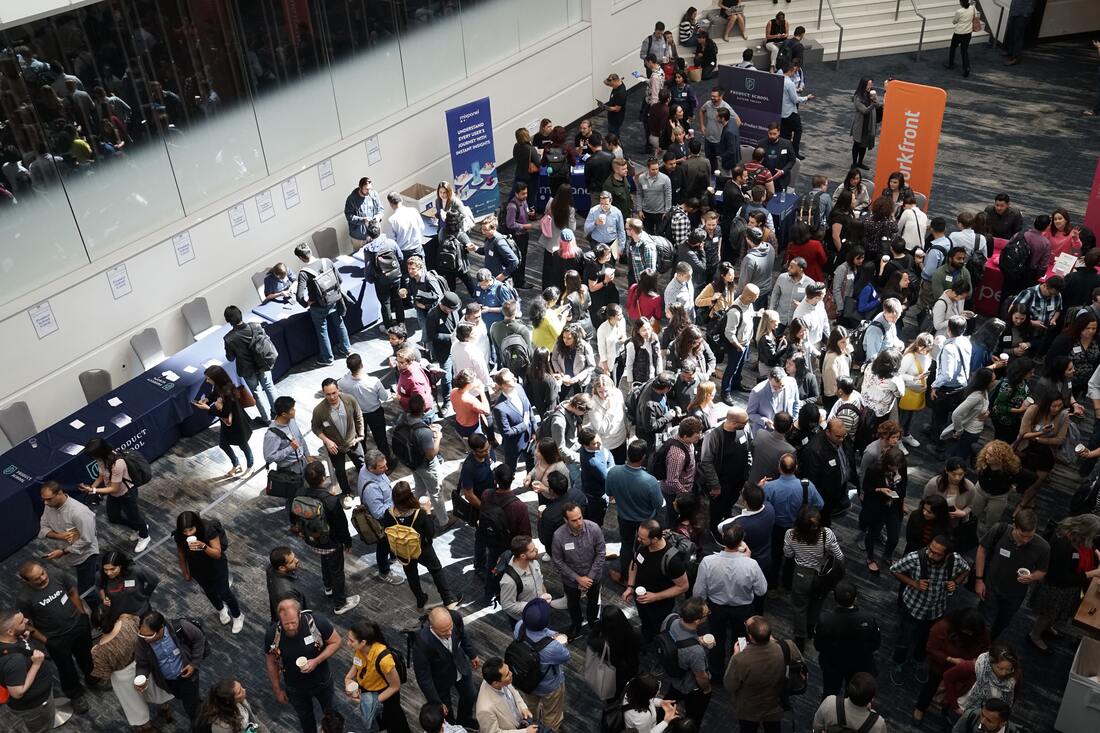 (Image via Product School on Unsplash) While, like most things in our COVID-stricken world, it’s not the same as before, it is definitely still possible to network. The first place I’d advise you to go is the old classic - LinkedIn. Take this time to update your profile with any new certificates, volunteer positions, or skills, and definitely check that you’re connected with all your contacts! Apart from that, webinars are another great resource to utilize for networking - you can use them to firstly learn more about subjects you’re interested in, and secondly, connect with both the experts on these topics and people with similar interests. Even if you can’t talk during the webinar, there’ll likely be a Q&A portion, or at the very least, an opening for you to send an introductory email.  (Image via antenna on Unsplash)
With all the chaos of WFH, it is entirely understandable that networking has gone on the backburner for many of us. Personally, I’m just trying to keep up with school and work while managing spending every second of my day under the same roof as my entire family - it’s hard enough to let a week go by without emails piling up in my inbox, networking is the least of my worries! However, the way I keep myself sane is reminding myself that there WILL be life after quarantine - and I want to keep advancing my career and looking ahead there. Besides, networking is inherently social - it’s great to still get the experience of meeting new people and reconnecting with old friends and coworkers, even if it’s from my childhood bedroom! While many of us are still stuck at home, take a look at Inkwhy's recommended Networks to join online networking groups and virtual events that are currently happening. By Rehana Paul Many of us are coming up on our one-year anniversary of working from home, especially for those of us in the UK, Canada, and the US, where our lives turned upside down with the arrival of the COVID-19 pandemic in March 2020. Although most of us are old hands at working from home at this point, you may be hitting a wall in terms of organization. We’ve had to cram an office’s worth of materials, from contacts to books to copies. The other day, I noticed my laptop was constantly overheating, and I seemed to spend more time clicking through folders and refreshing pages than actually getting work done - and I knew it was time for a change. I spent two days going through every file I owned, every tab I had open, and all the events on my calendar that didn’t need to be there! In the end, I had a lot more storage space, a faster laptop, and a much more efficient workflow. Below are my top recommendations for staying digitally organized. Look for duplicate files and folders This was a total game-changer for me. I have multiple Gmail accounts, meaning I have multiple Google drives. All the times I exported a Google Doc as a PDF or Word file and saved it to my desktop, I was creating duplicates - I had maybe five hundred duplicate files that were taking up space and slowing my laptop down. Combing through my files and deleting duplicate files and folders was greatly helpful. Keep separate windows rather than tabs  (Image credit: T.Q., Unsplash) This is more personal preference than anything else, but it’s one of my secret productivity weapons. Keeping a few different windows open for my different projects, with each one having a different email and Google Drive, and storing all the pages relevant to that project in that window really helps me to stay organized -- not to mention, it saves me a lot of time, not having to click through a hundred open tabs. Add folders to Gmail This may seem like a no-brainer, but it’s a practice I adopted very recently. Creating folders in Gmail, even if it’s just for a temporary project, can be a great way to firstly, stay up to date on a project, secondly, keep all materials for that project easily accessible, and thirdly, keep your inbox clear for urgent work and communications. Never underestimate the usefulness of reducing inbox clutter! Sync up your calendars  (Image credit: Eric Rothermel, Unsplash)
As I’ve said before, I have multiple Gmail accounts that correspond to my various projects, and I receive invitations to meetings and events via these different emails. Clicking through different calendars trying to figure out when you have a pocket of free time to schedule something can be annoying - not to mention having to explain to people that the wide swaths of free time on your calendar are actually occupied! Having a central calendar where you can add multiple emails and have all your events appear is extremely helpful -- just be sure to separate emails by color to stay organized. I hope these tips help clear up your digital life as much as they did mine! ============================================== Relevant resources that you may also want to check out:
By Rehana Paul In March 2020, those of us in cubicles and corner offices alike traded our workspaces in for a desk at home. Whether you’re lucky enough to have a desk in a quiet office or empty bedroom, or you’re working on the kitchen table, here are some tips to jazz up your workplace, improve productivity, and sneak some zen into your schedule. Bliss Out Meetings, emails, and projects starting to pile up? Bring some zen to your desk with aromatherapy. Candles are great for adding a relaxing atmosphere, but scent diffusers are a great and even more low-maintenance route. Choose an invigorating, citrus scent in the morning, like orange zest or lemon verbena, and unwind towards the evening with lavender or green tea.  (Image credit: Remy Loz, Unsplash) Improve Posture Slumping in the office chair that has been gathering dust in your garage since 1993, and has just been dragged out? Not only are you putting strain on your back and neck, therefore putting yourself at risk for health issues (and being majorly uncomfortable all day), bad posture can also have a negative impact on your productivity. A new chair can feel like a splurge, but considering the myriad health issues you’d be avoiding, it’s well worth the investment to think about upgrading to a more ergonomic model. Hydrate Keeping a reusable bottle of water, and refilling it every time you get up, is a great way to meet your hydration goals. If you’re trying to cut back on caffeine, replace the omnipresent cup of coffee with some H2O to sip while you work. It’s also great in meetings, when your throat gets dry from talking. If plain water is too boring - try sparkling!  (Image credit: Lukas Blazek, Unsplash)
Have a Refresh Station One of my favorite parts of my workspace is the corner of my desk I call my “refresh station,” where I keep a bottle of hand lotion, lip balm, and a face mist. I keep a heater fan in my office, which gets pretty cold in the winter, and my skin is always drying out from it. A quick application of lip balm can keep them from getting chapped, and rubbing on some hand cream can be a great 30-second relaxation activity. Face mists are a wonderful pick-me-ups in between meetings, for a super quick refresher. Organize! A cluttered workspace will only make you feel more cluttered! Consider investing in a desk organizer for your work station. My preference is a large tray you can fit a pen holder and sectional holder in, while also having a place to store your water bottle and candle, and any mail you need to answer. Above all, remember that WFH is difficult for everyone - but hopefully these tips will make things a little bit easier during these times of remote work! By Rehana Paul Having trouble keeping yourself or your team organized? Even when we all do return to the office, Zoom calls are here to stay, albeit at a reduced scale. Running Zoom meetings and keeping team members engaged, as well as communicating effectively and meeting goals is far easier said than done. Below are a few simple tips for keeping a meeting running efficiently and productively. Keep agendas specific Zoom meetings are difficult enough as is - especially when you’re leading a meeting with multiple participants, a very specific agenda is vital. Free templates are available, for example through GSuite as well as Template.Net, or having just a bullet point list to discuss can be a helpful starting point for meetings. Encourage participation through guided questions and cold-calling If getting people to speak up during in-person meetings is difficult, it can feel insurmountable over Zoom. It’s easier to get around this by directly addressing people - encouraging different people to read different sections of the agenda out, asking for updates, planning presentations beforehand, or asking specific people for their opinion on certain topics.  (Image credit: Chris Montgomery, Unsplash) Begin with a mic check Ensure that there are no audio issues beforehand by greeting everyone on the call, and then asking (and double-checking yourself) that all parties are muted before beginning a call. And always ensure that you are muted when not speaking! Construction, family members, or other background noise like a phone ringing can all cause distractions. For a two-in-one improvement to your audio-visual experience on zoom, try this combination microphone and webcam. If you’re having sound or video issues, check your computer specs (it may be time for an upgrade whether you need a faster PC like a Dell XPS or an Apple Macbook Pro). You may also want to consider increasing your Wi-Fi speeds or getting a second router for your business internet needs, to handle the demands on your bandwidth for better sound and visual quality. Use the chat function In-person, it’s the simplest thing to pull someone aside for a quick one-on-one before, during, or after a meeting -- less so on Zoom. You can get around this with the chat function, which can be used to private message someone with questions or notes, or can be sent to everyone on the call -- in case you needed to, for example, inform them that you’re on notes and no one else needs to take any. In some meetings, especially if you’re meeting others for the first time, chat can also be used to make intros and share links. In other meetings, such as those where many people are providing input and asking questions, chat can also be used to voice opinions and ideas. If the host set the chats to be able to download, there are three buttons used to save the file for participants to be able to reference chats (or you may be able to copy just part of the chat into a notepad if the host allows for copying chats, to go back to for any action items or to recall different parts of the chat discussion). Keep it short and sweet Zoom fatigue is real! Not to mention, many people working from home are juggling work and childcare responsibilities, so time is more limited than ever. Try to keep meetings at the shortest time possible, giving yourself just enough time to run through the agenda and pause for questions at the end. Don’t rush, but avoid overly lengthy meetings, unless there is a specific reason for a longer session such as a deep dive workshop.  (Image credit: Kari Shea, Unsplash)
If that’s not possible… take breaks! For meetings longer than an hour and a half, try to schedule five- or ten-minute breaks to allow people to refill their coffee, check in on their kids, or even just walk around for a few minutes. It can also be helpful to regularly change from sitting to standing positions if you can during your work day; we recommend taking a break every hour or even more often when you can to clear your mind and maintain productivity. Keep the circle (and invite) small Be mindful that people are most likely managing multiple Zoom calls every day, and cannot duck into a meeting for ten minutes the same way that was possible in pre-COVID times. In addition, the more people on a Zoom call, the fewer opportunities for people to speak. Try to limit the invite list to only those who absolutely must be there. An exception to this guideline might be, for example, when you’re running an all-hands meeting to ensure everyone gets the same information and opportunity to ask questions to leadership; keeping these types of meetings focused and recording content to be accessible asynchronously are also best practices. Above all, come prepared and relax. That’ll be useful to you in any meeting, regardless of the format!
See Resources Here: https://www.thecareertoolkitbook.com/resources
EDITED TRANSCRIPT OF VIDEO INTERVIEW FROM JANUARY 17, 2021: JANICE: Hi, it’s Janice Dru-Bennett and today is Sunday, January 17th, 2021. I am so excited to bring guest speaker Mark Herschberg into this recording for YouTube and for the blog. Mark is the author of The Career Toolkit, and he’s been a long-time connection and friend. I’m really excited to have this conversation with him. One, a couple of the things we’ll be discussing is how we met, some of the topics that he covers in his book, such as networking our career paths and how to map that out. Cultural fit and diversity at companies as well as personality differences, leadership, influence, management, and writing a book. Mark, let’s jump right in and start with talking about how we first met. I know you might not remember 100%, but let’s hear your thoughts and I’d be happy to share mine as well. MARK: So, as I was trying to remember this the other day, and I remember being an advisor to your company, that’s kind of how we first started interacting, but the way we first met I’m thinking it was some event. I can’t remember what that event was. JANICE: I’m going to jump in and say, we did go to an event together pretty recently. I think it was 2018 or 2019, where I had invited you to that event. We met there, but if I go back and look at all the breadcrumbs from how I meet people, the way I do that is often looking through LinkedIn, because I’ve developed a lot of connections on LinkedIn and every time I meet someone, I usually invite them to connect on LinkedIn. I put a little note there saying, “Hey, this is how we met.” You, I had actually reached out to using LinkedIn with InMail back in February of 2015. So I found that message I sent you by email, by InMail. I had said, my startup is looking for a CTO. I had seen you were a CTO at the time, and we’re also putting together a board of advisors. I had read your profile and it said, “Don’t cold outreach to me unless you have… So, I actually referred to that. I said you could also talk to the marketing guy at the time and you’re like, “Oh, I’m glad you read my profile, email me and let’s actually meet.” That did turn into an in-person event meeting I put together, and I had done this for almost everyone in that room where were going to evaluate a tech company for developing some software for Inkwhy, which was a startup I had started back in 2011. I brought in these two presenters and put together a board of advisors to give me feedback on how that, whether or not that team would be a good tech team to build out what we’re trying to build for Inkwhy. And I remember at the time, most of the board said, “no, don’t work with these guys.” We took the advice. We put together a little mini dinner and there were about 20 or 30 people in the room, which was really just the tip in terms of networking. If you reach out and you bring people together and you have an event, I think that’s a great way to initially meet. Since then, we’ve stayed in touch. Like when I moved to Rhode Island, I had met you in New York when I was living in New Jersey. When I moved to Rhode Island, I sent you a message saying, “Hey, I’m doing this event.” Then, when I went back to New York to do an event, I invited you on, gave you a VIP ticket to join. These are all things for how do you stay in touch with someone? So, it’s been 6 years now almost since we first met and now you’ve written a book and we both had, changes in our careers. I think it’s really exciting to have this conversation with you at this time of your book launch. MARK: I now certainly remember that first meeting where we were all sitting in a large square, and now I feel better. I remember things spatially. I was trying to place, where did I first run into you? That was the first physical meeting I remember. I’m glad that came through LinkedIn and you’ve done two things in that. That’s such a great example. The first is that when you do connect with someone the first time online, and it might be in your case who is reaching out, or sometimes you might meet someone in person, right? If we did meet at an event and you send that follow-up email putting that information in there, putting in it was great meeting you at this event last week or last night, it helps give that context. You do 6 years later, try to say, how do I know this person? You can find that reference and they can find it as well? Right. And the second thing you did, this is what my friend, Olivia Fox Cabane, who wrote The Charisma Myth: [How Anyone Can Master the Art and Science of Personal Magnetism], which is a fantastic book, which she recommends as a great networking technique. Whenever you’re part of an organization, there are two kind of subcommittees and it doesn’t have to be a formal committee, but two things to think about, which is how you reach out to people, which is either membership committee or awards committee, right? And these are the ones that reach out and say, we need to engage other people. Now you weren’t in some organization, this was your company, but you were reaching out to engage with the company. It’s a very concrete, “Hey, let’s do this” as opposed to, “I’d just like to get to know you.” JANICE: Yeah. I remember another person who was at that event, Joan Kuhl. She’s I think written a book [Dig Your Heels In: Navigate Corporate BS and Build the Company You Deserve]. Also, she had mentioned to me, she put together a personal board of advisors. I feel like that concept of reaching out to people who you can help and who can help you. I, it really creates value over time. If you stay in touch and find the right people to connect with. MARK: Yes. And the other thing. It’s interesting, you talked about, you reached out to me for a CTO role. So, I get lots of inbound messages. Some of them are just utter spam, which is why I have that. I might get some recruiter who says, Oh, look, you use this technology 15 years ago. Want to be some junior developer and this technology. What they’re saying is I didn’t respect you enough to even read through your profile. Right. I don’t want to waste my time. I’d rather waste yours, figuring out if this is worthwhile. That’s why I’ve had to put that in. What, the other thing that happened there when I met you, is it wasn’t right for the CTO position, but the advisory board position. I’ve done that, in a number of cases I look at, I mean, to say more broadly, I look at interviewing as an opportunity to build a network. You go out and you meet someone, even if it’s not going to be the exact fit today, if someone seems like an interesting person, interesting company what’s worth exploring because jobs are short, careers are long. It gives you the chance to start to build that relationship for the long-term. JANICE: I absolutely agree with that. I think interviewing for positions, you build relationships and sometimes you might interview for something and it might be like, Oh, I don’t think I’ll ever talk to this person again. In some cases, I’ve interviewed for positions and it’s turned into consulting projects or other relationships that are mentorship related or advisory related. That aren’t that specific job. If that job isn’t a good fit, the interview can often still lead to other great things. So absolutely. I agree with your concept in your book about how you’re always interviewing. MARK: I’ll share a story years ago, someone, I think I was looking at on Craigslist for startups because years ago that was a good place to find startups. I saw one, I said, Hey, I see you’re looking for software developers. I’m a CTO. Just wondering if you have more senior level roles you’re looking for. They write back and kind of say, “Oh yeah, tell us about your programming because we’re hiring engineers.” No, again, I’m not trying to be a software engineer, senior role. They can say, Oh, well, we have a co-founder doing it, but I said, well, how about, let’s just have a discussion. Maybe you could use an advisor. Right. They weren’t looking for that, like talk my way into it. Or at least to the meeting. We met and they said, “wow, you’ve got a great background. Yes, please be on our advisory board.” I was on the advisory board there. I got to meet some of the investors later when the company and I built up relationships with the investors, just as these are interesting people, as someone who does startups, I should know lots of investors. Later when the company ran into some trouble, the investors called me and asked me to come on board as the acting COO and then more trouble. And I became the acting CEO. I always joke, I found a CEO position off of Craigslist. Right. And I wasn’t looking for the job. They weren’t looking for it. By keeping yourself open to these possibilities, you can generate opportunity. JANICE: ...Speaking of Craigslist as a way that’s not common or not thought of to land a high-level position, I think right now there’s a lot of new technologies coming out too that are allowing us to connect. And I just invited you to Clubhouse. That’s been really interesting place to meet new people, make connections, hear advice in real time. I really encourage people to check out clubhouse if they can get an invite, go in and listen to some of the topics that are being discussed. I’ve been developing relationships off of clubhouse to talk about, sales and business development, or even just, mentorship or other types of relationships. It’s always good to kind of keep an eye out on what’s trending. What are the different ways that you could, meet people that aren’t traditional, especially during COVID when we can’t meet people as often, or in person, as we would in the past with, mingling and networking at different, bars or whatever, wherever people that was 20 years ago. MARK: …I think you pointed out something important, hidden in there that want to make sure we emphasize, which is tools like Clubhouse can introduce you to new people, but of course, whether it’s LinkedIn or Clubhouse or Facebook, you can get those connections, but then you have to build out that relationship. Ideally some of that happens, in-person, it’s a little hard right now, but you can even do just phone calls or one-on-one even if it’s not physically in person, but it’s that it’s not just collecting followers or friends or whatever the term is for the social media does you’re building relationships with people and social media just that’s your Rolodex, but you have to go beyond it. JANICE: Yeah. It’s not about the vanity metrics. It’s about building the deep relationships. Like we’ve had multiple touch points throughout the last 6 years. I often think of networking a bit like sales, where sometimes people don’t like the term you’re “networking,” you’re “selling” versus you’re building a deep relationship. You’re really trying to get to know people. The selling concept is you have to have at least 12 touch points before someone will buy from you. If you’re, if you want to build trust, that has to be over time with multiple outreaches, inbound, like figuring out ways that you can build a deeper relationship, especially when you’re not seeing someone and moving to Rhode Island, you and I still stayed in touch because we communicated and I, I kept an eye out on when I could, meet you in person again, MARK: I know you haven’t gotten to the final chapters in the book, but the networking chapter begins with trust because networking is relationships and relationships are trust it. That sleazy networking is the, Oh, Hey, give me your card. Okay. I’m going to call you when I need something. Right. Those are people who are taking, but in any relationship we have, it’s not about what can I get from you? It’s okay. We’re friends and oh, if you need something, yeah. Call me, I’m happy to help you out. Sometimes I might call you. It’s because you’ve built that trust that you can ask for something from the relationship. Right. We think about the people we’re closest to our families are really close long-time friends. We can ask a lot, right? We can ask them to bail us out of jail at three in the morning. You’re not going to do that with someone you just met at a conference two days ago. Right? So over time, we build the trust and we build what we can ask, but we also go in to do this effectively. It’s not simply what we can get. It’s a mentality of how can I help you? How can I give? And that helps to foster that relationship. JANICE: Yeah. That is a lesson I would love to teach my kids, that it’s not all about getting, it’s also about giving. And, speaking of kids, I think at the book launch we talked about last week, you mentioned this book is for between the ages of 20-ish to 40-ish. I really would love to see my kids start learning these concepts as soon as possible, because I think it’ll help with their careers and life, just understanding how to deal with people and how to build the skills and understand your values. Over time, I think it creates depth of personality and depth of person. The concepts that you really dove deep into… in the book. MARK: I have two nephews who are about to turn nine, and I’m thinking of ways, the book, of course, we talk about business and companies and startups and things that certainly not a nine-year old, not even a 15- or 16-year-old is going to really want to relate to, but I’m thinking about how do I take some of these concepts and maybe put them in the context that would make more sense to someone in high school or early college. Of course, as you said, we target 20 to 40 and I’ve had lots of people in their forties and fifties, even sixties say, “wow, yes, this is helpful.” I wish I knew this earlier and college students as well, but usually freshmen and sophomores aren’t as focused on where the careers go. They’re just trying to get through a semester, but perhaps creating content, that’s more geared towards that group, but the concepts are the same. JANICE: Yeah. And it’s interesting. You mentioned high school and back in high school, and you also mentioned this book in the book launch, What Color is Your Parachute? And I remember picking that up at my high school library and reading it from front cover to back cover. I just loved it because I was really thinking, I think since the beginning of my early, exploring what’s the right job for me, what’s the right work for me. I think it started early for me wanting to know that, another book that I read early on in my career is called, color career match, which talks about the Color Q Personalities [Career Match: Connecting Who You Are with What You'll Love to Do and Personality Power] by Shoya Zichy … and I’ve actually partnered with her because I just became a huge fan of the different personalities. My personality is green, red based on her color coding: green, meaning I’m really people focused and red meaning I’m very action-oriented. The other colors are blue and gold, which are more analytical and more organized. You’re usually either agreeing or a blue in her book. More people focused or more numbers focused, and then you’re either a gold or a red, and it could be 51, 50%, or it could be 80, 20, but you’re either more organized or more action oriented. And I’m very red. At times I can be super messy. That’s kind of understanding people have different personalities and that matched it to careers. My color, green, red extrovert mapped well to a marketing career, and there were other types of positions in there. Halfway through my work, I actually brought Shoya as keynote speaker at a leadership conference on her new book called personality power, which also talked about how different personalities interact differently. I ended up realizing that a lot of my former bosses and managers are, have been gold blue introverts. The complete opposite of me, and when you’re reporting to someone who’s different, or if your colleague is different from you, how do you speak to them differently? How do you interact with them differently? That’s all, I think, part of that networking process and understanding how to interact with people who might have a very different personality from you. What are your thoughts on that? MARK: This is something, so I’ve been teaching career skills at MIT for past 20 years at MIT’s career success accelerator. We use the Herrmann Brain Dominance Instrument, which has a similar mapping and all of these, whether the colors you mentioned, HBDI, Myers-Briggs, DISC, OSHA. Now first there’s controversy. Some people say this is garbage, there’s no support. If you don’t think it’s useful, ignore it the next couple minutes of this conversation, if you do find it useful. I personally do, you can look and you can do what you did, which is say, okay, here’s where I seem to be. One of the things we emphasize this doesn’t say what, you’re good at this, most of these, talk about your preferences, but of course, preferences become habits and habits become strengths. It was helpful to me when I first did this, is I recognized I’m super-analytical. I’m way off in the analytical quadrant, somewhat process, not good in the other areas, or at least I wasn’t, my preferences were in those areas. I also wasn’t strong, and I recognized, okay, it’s because I liked doing the quantitative stuff. That’s where I focused, but just like I’ve taught myself, I like eating cookies and ice cream, but I knew I had the vegetables. Wasn’t my preference, but okay, I’m going to maybe eat some vegetables said, I should really kind of push myself to do a little more in these other areas. I wasn’t strong to round myself out. I talk about this in chapter two on working effectively and how we engage with others. I get into a deeply in chapter seven communications, because a lot of communications, a lot of these issues, as you pointed out, it’s that we have these stylistic differences, it’s that we have these different mental models. I would love to just talk about the numbers when I look at a problem, but I know other people they’re going to get bored. I’m going to lose them after 30 seconds. I have to frame the challenges, problem solutions, not just in the quantitative way, I think, but in a frame of reference, that’s more geared to their mental models. JANICE: Yeah. I love how you started that by saying, if you don’t believe in this skip the next few minutes, because I think there are certain personalities that love talking about personalities, and there are certain ones who just are like that’s BS. It’s, I think it’s about figuring out what are the tools that work for you. What are your preferences? And you don’t have to necessarily believe in personalities. I do think there are patterns that you can recognize in how certain people behave and by understanding those patterns and, responding to behaviors and different perspectives that can help accelerate your career or help you, be able to navigate, the path forward. MARK: You’re taking the words right out of my career tools, career paths. This is what I love talking about. JANICE: Yeah. I love your Career Toolkit App as well, which allows you to swipe and kind of ask yourself questions regularly about your career and kind of help keep it at the top of your mind. I also love how you said, it’s about, what are your preferences as they turn into habits as they turn into skills and how do you develop other habits and skills that might support you? And, a lot of times we focus on our strengths with the strengths finders assessment as well. At the same time, some of the things that we’re not as strong at, if we can improve those skills, I loved that, math, example that you gave, where with the rectangle, if you added one side, like the automatic thing in my head, and I’m not analytical, it was the wrong answer. Like where, if you really want to expand your skills, you want to exponentially, you want to increase the short side, not the long side. MARK: So. Probably give that the example to the listeners. Very basic example, using sixth grade math. This is the only math I put in the book because I’ve wanted to do more, but I knew that’s my preference, not the reader’s preference. Think back to sixth grade, you’ve got a rectangle that’s four by 10, and you have to increase one of the sides by two units to maximize the area. Okay. Which side you increase and the answer is to increase the short side. If you increase the long side from 10 to 12, then you get 12 times four is 48 increasing the short side four to six is six times 10 = 60. Okay. So we’re first like, that’s just math. Great. Why are we doing this? But conceptually, if you think about how this works, when we increase that short side, what we’re doing is we are taking that increase in, amplifying it by that longer side. Right? So every unit increase in the short side gets amplified by that much bigger side. That’s how we think of our skills. We all have long sides. It might be marketing, it might be chemistry. It might be public speaking or just good with people. Those are our friends. We have our short sides and we all tend to focus on our long sides, right? Especially I think about tech, which is my field. We have to continually invest in learning new technologies, right? Because there’s always something new coming out. I can’t keep writing in COBOL, I’d be way displaced. ? Right So we’ve learned new technologies. If you think about all the time I put into that, I get marginal returns. If we just took of time, if instead of increasing that long side from 10 to 20, I increase it 10 to 18 and put a little effort in that short side, I’m getting better amplify my returns. Working on the skills that we talked about there, or other skills are going to really help you be stronger and emphasize the skills that you have to be more effective. JANICE: Yeah. I’m like the opposite where numbers are not my preference, even though I know they’re important. I’ve been setting aside more time to look at financials and numbers and really understand that because I can go out and talk all day, but if dollars aren’t coming in and they’re not going out, then it’s not worth it. Like trying to find that short side and building it or finding other people to help build it. I think that’s always an option as well is building that network that can help support your short side. MARK: Absolutely. This is how Keith Ferrazzi, who wrote a great book, Never Eat Alone, [Expanded and Updated: And Other Secrets to Success, One Relationship at a Time]. He thinks of his network as this is an extension of me the same way we think of our cell phones. As I don’t have to remember this because my cell phone can look it up. My cell phone can do it for me. That’s how he thinks of his whole network. Whenever he has a problem, someone in his network can go find that solution. To your point, you can say, I’m going to strengthen. There’s probably only so much I can do because there’s other things I need to focus on. If you diversify your network as well. In my case, I don’t just have other engineers who think like me who have connections are tech companies. I have a diverse network with people with different skillsets and different connections. I can rely on them in areas where I’m still not long enough in that side. JANICE: Yeah. I want to shift our conversation into talking about our career paths. Another concept in your book is mapping out your career. I think I didn’t do this early on in my career and I wish I maybe did, but often I’ve kind of landed positions just as they’ve come, or it hasn’t really been structured. Recently I did an action map, which I did a 30-year plan of where I’d like to be in 30 years, included writing a book somewhere in there possibly, but I’ve always heard if we write it down, you’ll more likely do it. We’d love to hear, like when you created a map for yourself or like what your career path has looked like, how much of it has been coincidental or, falling into your lap versus how much of it has been structured and part of an overall plan. MARK: I kind of began the concept back in college because I had two majors, a minor and a master’s and trying to fit it all in plus the general requirements and some classes were only taught in the fall and these were pre-recs. I had to map out multiple semesters in advance. Each semester I’d say, okay, what am I taking for next four years more with a graduate program? And then I’d revise it because I’d show up on registration day and discover, Oh, the teacher side, not to teach it. Or these classes are in conflict. I created this plan, but I’d have to every semester revise it. Now when I began my career, I didn’t naturally do that. I would say, really came about when I was in a company. I had been there for roughly two years when the founders had a falling out, which if you do startups, it’s actually far more common than you’d think. The CTO I was working for said, well, this is my last day. I’m starting a new company. These guys are coming with me. You should too. The other co-founders were saying, Hey, they’re leaving, but some are staying and we’d love for you to stay. And I had a choice. I didn’t have a choice before I’d looked at some jobs. I picked one I’d been here now a couple of years. I thought, well, I need to figure out how to make this choice. How do I know what’s right for me? And so I started thinking about what I wanted. Of course I realized I had more than two choices that were actually many other companies as well. I should really think about what is the evaluation metric for what job is right? And then compare these jobs and others with it. At that point I started thinking, where do I want to go? What do I want to do? And I started thinking longer term the types of problems I, as interested in the roles that align to those types of problems, the skills that I had, the skills that I needed. So I started to map this out. Of course in the book we show both visually and in the pros, how you can create that plan, starting from what’s your long-term goal, where you want to get to, and then you create a plan that you can back down to where you are today and what those steps are. As you point out, no plan ever works out exactly how we expected from the start. And that’s fine. Just as every semester I had to go and rejigger my plan, any career plan you create should first, it’s going to be a little more concrete, nearer, vaguer, further out, but then on a regular basis, whether it’s a year, maybe quarterly, whatever you’re comfortable with, you want revise that plan. You want to get input from other people you want to check, what have you accomplished? What haven’t you, is it still the goal that you want and do these shifts? JANICE: I love that. That reminds me back to my freshman year of college, at Princeton where I put up on the wall, this giant, like I mapped out every course, I wanted to do a bill, covered up an entire wall with like eight by 11 sheets. It showed all the courses I wanted to take for all four years. And it was way overloaded. I felt like I was taking six courses in one semester and I was just burning out. I had to change it and drop two classes. Cause it just wasn’t working. Even if you have a vision, once you start working on it, you’ll realize, does it work or should it take longer or should I completely change it or scrap it? Or like you said, has my goal change if I wanted to be president of the United States. I see what it’s really like to be that maybe I don’t want to be POTUS. MARK: Right So everything, shifts over time and re-evaluating it regularly is a great idea. I do think having that 30 year action map is really helpful for me to think about making decisions. As I get asked to do things or as I’m making choices throughout my career, does it help me get closer to that end goal? So even if it’s not an exact point that I’ve mapped out and it’s coming to me, I can potentially make a decision with a yes or no based on, is it going to move me closer to that larger goal? Is that still my larger goal or is it going to move me toward another goal that I didn’t even think about because of the direction it might take me. And that’s key. Some people think, well, I don’t know what job I want 20 years from now. And that’s fine. Some people do not. Everyone does. Even if you say, I want to be maybe senior level, I want something that’s engaging. Lots of other people may be working with customers. It doesn’t have to be a title. It can just be, here are some of the activities I want to be doing. I want to manage lots of people or not. I want to be an individual contributor. I want to be customer facing or not. That can start to narrow down where you might be looking. Of course, we can further refine this by talking to people, by reaching out to people and asking, tell me about what you do. What do you like? What don’t you like and gain further clarification. Of course, it was Eisenhower who said, plans are worthless, but planning is everything. That’s how we know we create these maps that are way more complicated, like the one on your wall and say, okay, maybe this isn’t going to work, but that whole process got you thinking about it. And that was the real value. JANICE: I love that the plans are worthless, but the planning is everything. I also like the thought about like, yes, there’s this big vision, but you also have to think about where you are now and what really appeals to you. What I found is can be for my team members that I’ve given advice to is one mapping out your time and seeing what, where are you enjoying what you’re doing and what, where are you not enjoying it as one step to assess yourself? and then another step is also to look at job descriptions and no job title, isn’t everything. As you look at the descriptions, think about what appeals to you in that description and come up with your own ideal job description for where you are now or where you potentially want to go. I think that can also help you make decisions about your next role. Does this kind of map to my ideal position? I’ve done that exercise a few times myself and it’s helped me think through, is this the right role for me or not? MARK: One of the first questions I ask almost any candidate I hire is what would be your ideal next role, right? Describe to me what do you want? And it’s not about, suck up to me and tell me it’s exactly what we have written. It’s really what’s of interest to you and figuring out if it aligns or not. Something that I talk about in the book, and this is a failure. Many companies do in their job, descriptions and candidates. Don’t always think to do this themselves. When you look at job description, most job descriptions for the same role. Look the same. If you think about a director of marketing job, you’ve got the standard things that a company of a given size, right will vary a hundred-thousand-person company versus a five-person company. For a director of marketing at a hundred-person company, you look at three of them, it’s all kind of the same run. The social media campaigns maybe could go to some conferences, put out the marketing collateral to support sales. Okay great. That’s standard. You can almost guess that from the title, but depending on the nature of the company, if they’re doing one conference a year versus two, a quarter, if they have robust sales materials for a static product versus dynamically generating lots of new ones, are they heavily doing social media or not? And those are the subtle things. They’ll all those bullet points will be in the job description, but you need to ask and understand, well, is this 10% of the job or 40% of the job. Ideally accompany should either express in the job description, there’s pros and cons to doing that, but at least internally have a sense of what are the relative sizings of these activities. As a candidate, you should be asking, what are the sizings and make sure it aligns to what you want to do, because if social media is what you really enjoy, it’s only 10% of the job might not be a great fit. JANICE: That’s a great piece of advice to really assess what the companies, how, what the breakdown is of the activities of how that maps to your interests and passions. I think that also leads well into the question about cultural fit and diversity. How important is that to you as a person? And as you assess a company, I’ve heard from team members too, like the leadership team all looks the same and I don’t feel like I fit in here… So let’s talk more about diversity and why it’s important and how to really assess whether you’re a good cultural fit for a company before, and once you’re in there… go ahead. MARK: Here again, it should be on the company. Whether you’re a small business or a large one to think through these, and whether you explicitly put in the job description or not internally should know the answers to this, but as a candidate, you should also explicitly ask if it doesn’t, if it’s not brought up and, culture and diversity, these are, I think of them as slightly different. Let me talk about each of them and diversity itself. There’s classic diversity, where we think about gender, age, religion, sexual orientation, race, why we want to have that is because heterogeneous teams pretty much always outperform homogeneous teams in the long run. You get a diversity of thoughts of perspectives, of ways to approach, problem solving. Of course, even if you say, well, we’re doing fine on our own. Doesn’t mean you can’t do better. My guess is your customers, whether they are individuals or companies staffed by individuals, they have diversity. If you don’t reflect that diversity, you’re going to be missing out on opportunities to deliver value to your customers. It can be hard of course, when you’re a company of five people and, you’re constrained about who you can hire and how much you can afford. I’m not saying you have to have every group represented when you’re these tiny companies, but you should recognize that. If you don’t have it within your group, look to get, say advisors or other people, you can rely on to give you those perspectives. In the book, I then talked about mental diversity and that’s what we spoke about earlier, different mindsets, because they again will have different approaches to problem solving. As we shift to cultural, to really having a cultural fit, I think cultural fits is kind of fuzzy thing. I haven’t found very good definitions of it, but really I think most of the time we’re actually talking about communication style. We’re talking about, for example, is it a collaborative work environment or is it a hero work environment? Is it very political and relationship based or is it very deliver results-based right. This is where we get conflicts because we have different styles, all of which are valid, but we don’t think about what these are. What can work well in one company won’t work in other, so a lot of it comes down to, I think even I talk about this in the book, even how we directly communicate with each other, but even broader and just how we problem solve and engage with other people. JANICE: Yeah. I think how we problem solve and how we engage all of these are somewhat soft skills. Like I don’t know if we learn them in college. I mean, there’s some problem solving as your engagement with other students, as you’re trying to, come up with answer for a class project or, there’s some of those skills that you just do when you’re working with others. As people are growing through their careers, how much of a factor is understanding cultural fit and incorporating diverse thinking into your teams, part of leadership and developing influence and being a good manager. I mean, I know your book talks about how leadership and management is not the same thing. I’d love for you to jump into like the factors of leadership building influence and being a good manager and/or a good leader. MARK: Yeah. These two, the first part of your question, this is important. Whether you are a new employee at a company to understand the culture and unwritten rules, or if you’re a founder of a company or a leader at a company being explicit in these rules, and this can be anything from, don’t give me like big projects before I’ve had my coffee at 9:00 AM, because I just can’t focus on them. And I’ve met many leaders like that. I’m not a morning person. You want to catch me and pitch me a big idea. Afternoons are definitely better. That’s a small, simple thing, but really if you’re trying to convince your boss or, another executive, this is why we need to do this important thing, catching them. First thing, 9:00 AM Monday morning versus three o’clock in the afternoon has an impact on your success. Now that’s a small one. There are other factors. So for example, some companies … [SOUND BREAK] MARK: At some companies, we have a process where decisions get made in the meeting, right? Everyone shows up and we’re going to have this open debate and it’s okay to challenge each other at other companies, decisions get made through a collaborative process that happens back. Room’s not quite the right, concept because it’s not just for the select few, but in the water cooler meetings and stopping by someone’s office, it’s coalition building and that open conflict isn’t really, desired. If you’re used to one cultural style, when you walk into the other, you’re going to be less effective. If we just take a little time to understand this, how effective we are at work, or if we’re a leader, how effective our teams are, can change significantly, right. By easily a factor two. This is important for us to focus on as leaders or as employees. JANICE: I think it’s so good to understand, like, what is the best time of day to talk to your manager? Or what is the style and communication type? Do they prefer an email or a text or an in-person meeting are decisions made in one-on-ones before meeting or do they happen in the meeting together? And that’s also something I think, as you think about differences in gender, in particular, I’ve read that women often don’t realize that the men are meeting one-on-one before meeting they’ve already come to a decision when they get to the meeting. I don’t know if that’s just a gender thing or it might be different across different corporate cultures but understanding how people make decisions can really help. I think with that level of influence and how to insert your voice into a conversation or to be heard at a company. The other thing is, I think there’s also these physical differences too, where, another thing I’ve read is that, women tend to nod their heads when they’re talking to show that they’re listening, not because they’re agreeing and that can send the wrong signals to people who think you’re nodding your head because you agree. Understanding the cultural differences on how people are physically giving cues that might be interpreted differently, I think is also another aspect of building influence and understanding diversity and growing as a leader. MARK: Absolutely. There’s a great book written by Deborah Tannen who’s a linguistics professor at Georgetown. The book is called Talking from 9 to 5: [Women and Men at Work], and it talks about gender in the workplace, specifically how we tend to communicate differently based on our gender. Now of course it’s not universal. It’s not all men speak like this, all women speak like that, but there are some correlative factors that come with gender. To your point, recognizing, okay, if someone tends to be doing this because they’re listening and I’m not used to it, I’m going to misread that signal. She gets into what are some of the other signals and styles that we do that and what the alternatives are. We can be more aware of this. JANICE: Yeah. This was a point at your book launch event where someone said that often there’s some cultures who are all about not promoting herself or not being egotistic or so, like, how did, how do you address different cultural aspects of career growth and, what is appropriate in America may not be appropriate in China. MARK: Yeah. Now this gets even broader. I always think about Asian cultures, which is very, it’s not direct conflict. It’s very respectful and it’s very “listen to authority.” You know, don’t raise your voice. You think about parts of America. I mean, America in general, we tend to be a lot more animated and emotional in our speech, even at work. Even in certain regions of America, it’s okay to bang on the table and to raise your voice and to shout, not necessarily that you’re angry, but that you’re trying to make a point or even within certain disciplines. If you think about the classic wall street trading floor, you cannot be a wilting flower and make it on that floor. You have to be able to scream and shout swear, even back in the eighties, if you weren’t swearing, you weren’t quite fitting into that culture. That isn’t going to translate to certain other industries or certain countries, and we have to be aware of this. There are books and resources out there. There’s one I mentioned at the launch and I haven’t read this one. The other books I’ve mentioned, I’ve read, it’s called Kiss, Bow, Or Shake Hands: [The Bestselling Guide to Doing Business in More Than 60 Countries] on cultural practices. I’m not sure if it goes into these differences, but I think it does. JANICE: Yeah. I’ve heard of that book too. It’s on my reading list to really understand, what other cultures are, how they do business. Cause I don’t think I fully understand it. Having been part of global companies. I’ve gotten some sense of, you hand your business cards with both hands to show respect in Asian countries and certain things that we don’t necessarily know here in the U.S. and vice versa as they come to the U.S. we can educate others on how to best interact with us in our business dealings. And personal dealings. MARK: It’s gotten better, right? In that we are more global and people now television, the infinite has made things global. People see American culture, American see culture of other countries. It’s not that your example of the business card, right. In Asia, that you hand with two hands, right. You show it with respect because this is an extension of the person. I’m pretty sure most Asians today who’ve worked with Americans. If American just pulls it out and hands it consciously, they know, okay, right. This is what Americans do. They’re not going to take it as a conscious insult. However on a subconscious level, it’s still a little. That wasn’t what was expected. Right. It was just like, you just lost a little credit, not consciously. If we do things like that, it can add friction to our dealings. The more we can reduce that friction, the more effective we can be with our coworkers, partners, suppliers, and customers. JANICE: Yeah. I love that. As we think about resources and books that you’ve read, or haven’t read, I think you have a whole list on your website, right. Do you want to kind of share what that is? MARK: Yeah. In my book, because I cover a number of topics, I don’t always get a chance to go deep. I wanted to first reference some of the sources I got from because I’m an academic by heart and believe you always have to credit other ideas. Also I want to give the reader a chance to look at the book, to look at the, and learn it for themselves. I list out, certainly within the book, I have extensive footnoting, so you can follow these references. I always prefer footnoting to end noting it made the layout really difficult, but I like to see it on the spot enough to flip to the end or remember 20 pages later. You can find a list of everyone of these books on the website, under the resources page, you can find a whole bunch of other books that I didn’t necessarily reference, but these were some of the best books that I found in my own personal development. Some are direct career skills. Some were just interesting reads that expanded me to other ways of thinking. There’s some additional resources links to some of the assessment tools that we talked about links to some ethics case studies and continually adding more links there. There’s also some free downloads to help you, deploy these skills, not just for yourself, but across your organization. Everyone in your organization can actually develop these skills. Now you have this common language and a framework for engaging your coworkers to be more effective. JANICE: What is the website URL where they can find the resources, MARK: TheCareerToolkitBook.com JANICE: The Career Toolkit Book dot com, right? And I’ll make sure to put that in the YouTube channel, as well as on the blog post to people can find it as well as a link to your book, the CR the career toolkit. As we think about careers, now, I’d love to end this call by talking about where are you now? Where am I now? And what’s next for us as you’ve finished your book. I haven’t written a book yet, but let’s talk. What’s next? MARK: Right now, I’m doing fractional CTO work, and this was another conscious decision. I’ve typically been CTO of different startup companies. I’ve also made consultant at times and knowing that the book was coming out for anyone who ever writes a book, there’s the writing the book, which takes a lot of effort, the writing of course, the editing and the production, but then marketing the book. It really is like doing a startup. You really have to think about all these different aspects. Everything is on you. I’m doing some fractional CTO work right now, because that gives me the flexibility to jump on a call in the middle of the day. Because I’m doing lots of podcasts, lots of news interviews. So I needed to have that flexibility. I’m going to figure out this is one of those points where I’m saying, I know long term where I’m trying to go in the short term. There’s some uncertainty, how well will the book do? Do I want to put a second book? Do I want to spend this much time promoting the book or this much time? So I’m giving myself that flexibility for a few months, and then I’ll reevaluate. Once I have more information. JANICE: What is that big vision for yourself as the, as a long-term, can you share that? MARK: The long-term and the details of it are still being worked out. I love being a startup executive. I love being a CTO COO and building startup companies that is enjoyable. The scaling part is always so challenging and so much fun for me. I never want to give that up at the same time, the skills I talked about in the book, I’ve been teaching at MIT for 20 years at other universities in nonprofits and mentoring, I’ve done. I wrote the book because I know this can help people. I really want the world to benefit from this. It pains me to see people have career goals they can achieve. I want to invest time getting that out. The logical thing, someone who writes a book like this does is they become a career coach and executive coach. They consult to HR. I know I don’t want to do that full time, but I do want to spend some time doing that and finding that balance and figuring out at the level of time I can commit what’s the right. This is what I can offer to companies or individuals I have to find that balance. So it’s a combination of the two. JANICE: Yeah. I actually got this great piece of advice recently from a career coach, Michelle Carroll, she said, it’s okay to have a fuzzy vision because it’s farther away. As you get closer, it becomes clearer. I think we’re both very aligned in that we both want to see a better future, a better world. I think that there’s a, a group of us on this earth that really care about this earth and want it to be good for future generations. And that’s a fuzzy goal. Cause we don’t necessarily see that right now with all the division in our country and all the challenges. I know that one of my long-term goals is to help support the UN Sustainable Development Goals. I want to see us work together on partner and relate, develop, these and be able to track and understand every action we take can help either put us years behind or move us years forward. So, while in the short term, I have a new role with Nextech AR where I’m presenting our Augmented Reality solutions. I think the vision of the company really aligns well with my own too, in that we are creating infinite experiences to help inspire the world and pioneering new technologies to help create a better future. That I think is the long-term vision. The short-term vision is successfully sharing these new technologies in ways that can inspire the world and can help us build a better future. That’s what’s next for me, hopefully, and for us, and really happy you joined me here, Mark. MARK: It’s been a pleasure. Thank you for having me. JANICE: Thank you. 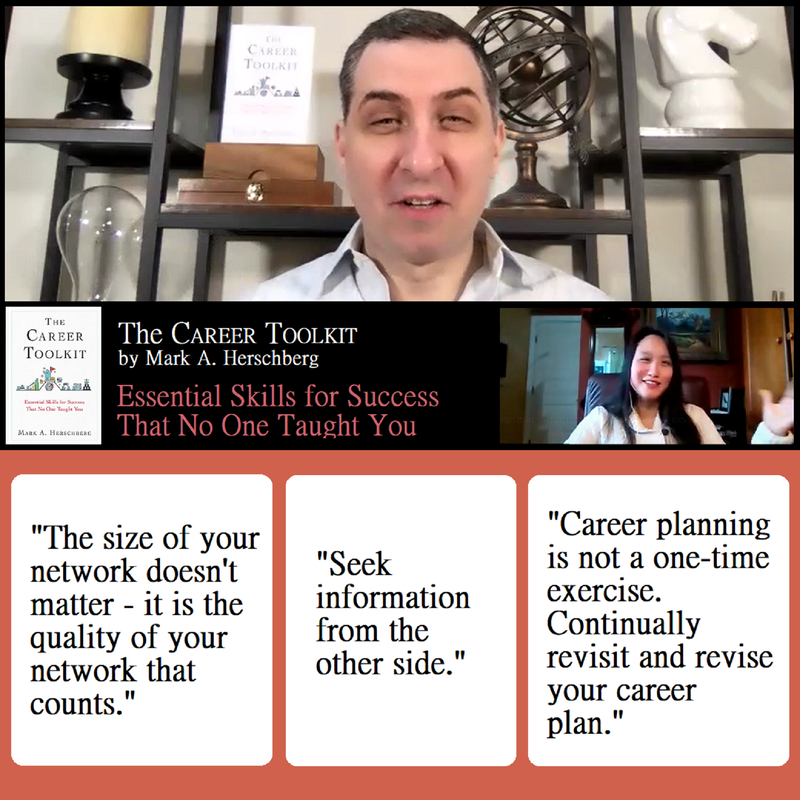
By Janice Dru-Bennett
The last two weeks, I've shared updates around the Currnt SmartGroups with the latest reports from expert panels on "The Global Work-from-Home Experience: Trends, Tools and Best Practices" as well as "Enabling Growth with Sustainability & Philanthropy" to create a better future for humanity through partnerships. Upcoming and past events are hosted on the NexTech AR platforms, as well as with the Visionary Access Network. 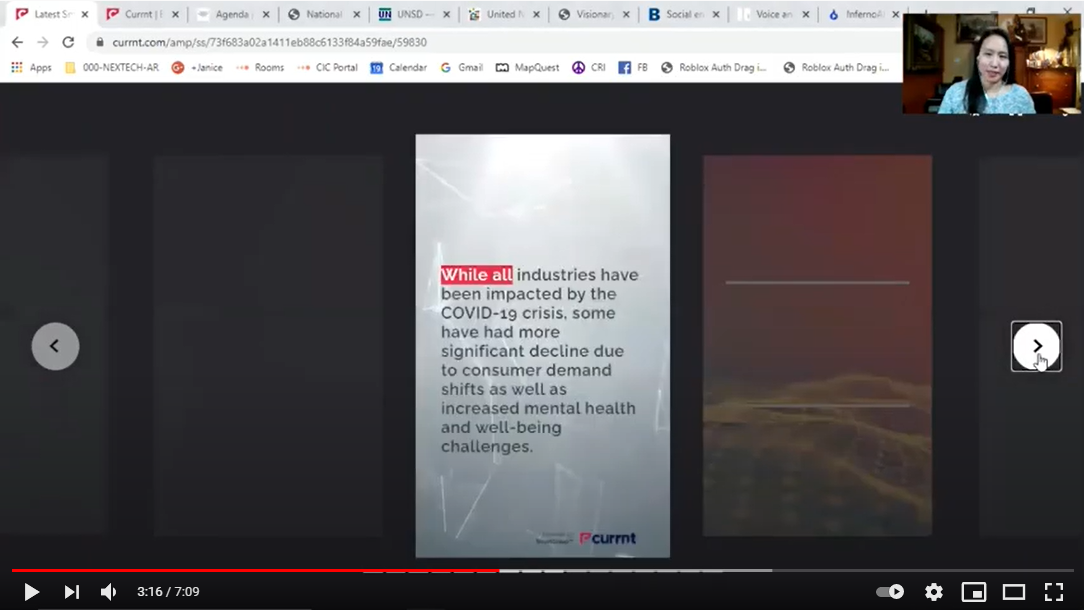
For example, the discussion on "Remote Work has Not Helped All Companies Gain Optimum Productivity and Revenue" presented how some industries have had more significant declines due to consumer demand shifts as well as increased mental health and well-being challenges.
See the full video (12/27/2020), Reflecting On 2020, Challenges and Events in 2021, The Year Ahead: Currnt, Davos, Visionary, NexTech:
2020 has been a year of tragedy with the loss of family members, loved ones, pets, and jobs. We expect to continue to face challenging health conditions, economic difficulties and other stresses in 2021; however, we also anticipate new opportunities with hybrid events and stronger partnerships for global resilience with the World Economic Forum, United Nations, and partnerships across multiple platforms as well as new technologies such as events powered by NexTech's Augmented Reality platforms.
Currnt Report, Theme #22: https://currnt.com/amp/ss/73f683a02a1411eb88c6133f84a59fae/59830 The Currnt SmartGroup on Enabling Growth with Sustainability & Philanthropy discusses recent topics and questions such as "During difficult times, what new approaches has your company taken to enable growth with a lens on sustainability and growth?" Join the expert panel here: https://currnt.com/projects/view/4032/enabling-growth-with-sustainability-philanthropy.html?ref=59830&src=urefurl World Economic Forum Agenda: https://www.weforum.org/agenda Davos Dialogues during the week of 25 January: https://www.weforum.org/press/2020/08/annual-meeting-2021-in-davos-rescheduled UNA-USA events: https://unausa.org/events UN World Data Forum: https://unstats.un.org/unsd/events Bern, Switzerland (3-6 October 2021): https://unstats.un.org/unsd/undataforum/next Upcoming Visionary Events: https://events.visionary.is/affiliate/inkwhy Article on the Voice + Visibility Women's Summit on the NexTech platform in February 2021: https://www.businessobserverfl.com/article/shannon-rohrer-phillips-voice-visibility-womens-summit-bridge-builders-diversity-training-pandemic Learn more about the summit: https://voiceandvisibilitywomenssummit.com UNESCO Future Literacy Summit held in December 2020 will be available online on the NexTech AR platform until January 11, 2021: http://bit.ly/nextechunesco Let's create a better future for the world together, for humanity, and for the next generations that will look back at what we've created and harvest the benefits from the partnerships that we build for resilience.
See the full video (12/20/2020), Currnt Reports: Sustainability & Philanthropy, Global Work-From-Home Experience / Visionary, NexTech:
Currnt SmartGroup Expert Panel (Enabling Growth with Sustainability & Philanthropy) Report #1 on "What are the White Space Opportunities, and What are the Roadmap Recommendations to Capture It?" - https://currnt.com/amp/ss/8473dd302dad11ebbea8e90eedf49116/59830
Currnt SmartGroup Expert Panel (The Global Work-from-Home Experience: Trends, Tools and Best Practices) Report #21 on "How Do You Build and Maintain Trust Relationships While Working From Home?" - https://currnt.com/amp/ss/3890063032be11eb8f00f53bf52cff8b/59830 Visionary Princeton Tigers "End-of-Year Virtual Gathering" Event on 12/23 - https://events.visionary.is/affiliate/inkwhy/event/visionary-virtual-gathering-w-featured-tiger-members Interested in learning more about partnering with NexTech AR or hosting a virtual or hybrid event with Augmented Reality elements? Schedule a meeting with Janice Dru-Bennett. |
Inkwhy Blog
Affiliate Disclaimer: Inkwhy may receive commissions for purchases made through links on this website & blog. We thank you for your support of our content.
Archives
May 2021
Categories
All
 Affiliate Disclaimer: Inkwhy may receive commissions for purchases made through links on this website & blog. We thank you for your support of our content.
|

 RSS Feed